

26 Oct From Ancient Stone to Modern Surfaces: The History Behind Your Countertops
Every countertop material has a story. Some began as marine sediments or molten rock. Others grew from centuries of craftsmanship, eventually becoming the manufactured surfaces we know today.
Understanding how a material forms, and how people have used it, helps explain its appearance, character, and place in modern design. This guide explores twelve surface categories, from granite and marble to semi-precious slabs and modern sintered stone.
In this article
Porcelain & Sintered Stone (Engineered)
Product photographs supplied by Omega Natural Stone. Natural color and pattern vary from slab to slab.
Granite
Formation
Granite forms when magma cools slowly beneath the earth’s surface. This gradual cooling allows visible crystals of quartz, feldspar, and other minerals to develop. Their proportions create different colors, grain sizes, and patterns.
In the stone industry, “granite” is also a broader commercial category that includes some related hard crystalline rocks.
History
Ancient Egyptians used hard stones such as granite for monumental sculpture, architectural elements, and objects intended to endure. The colossal statue of Ramesses II in the British Museum was carved from a single block of granite and granodiorite—an impressive achievement given the difficulty of working these materials with ancient tools.
Granite later became associated with civic buildings, monuments, paving, and memorials. Advances in quarrying, transport, and fabrication eventually made large polished slabs more accessible for residential interiors.
Applications
Granite appears in kitchen countertops, bathroom vanities, flooring, wall cladding, and suitable outdoor applications. Its natural pattern can range from quiet mineral grain to broad, dramatic movement.
Examples
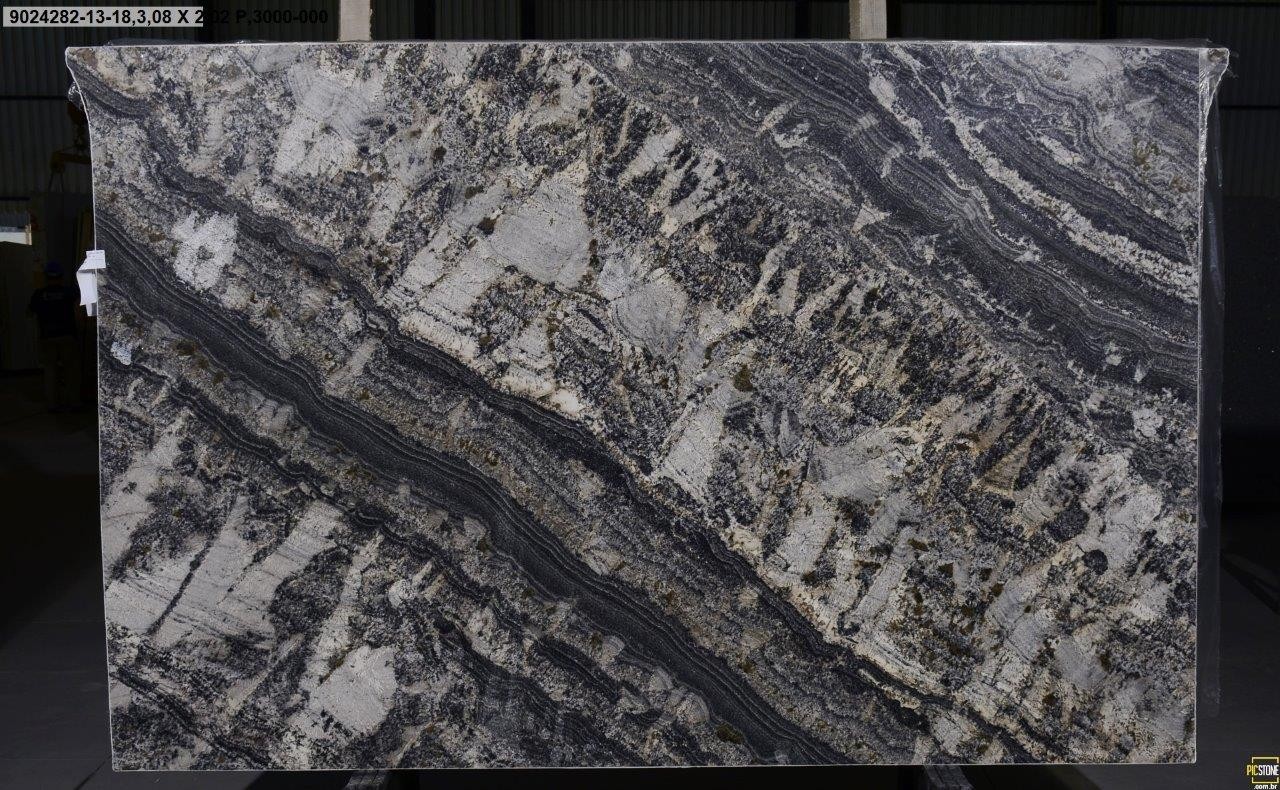
Blue Dream Granite
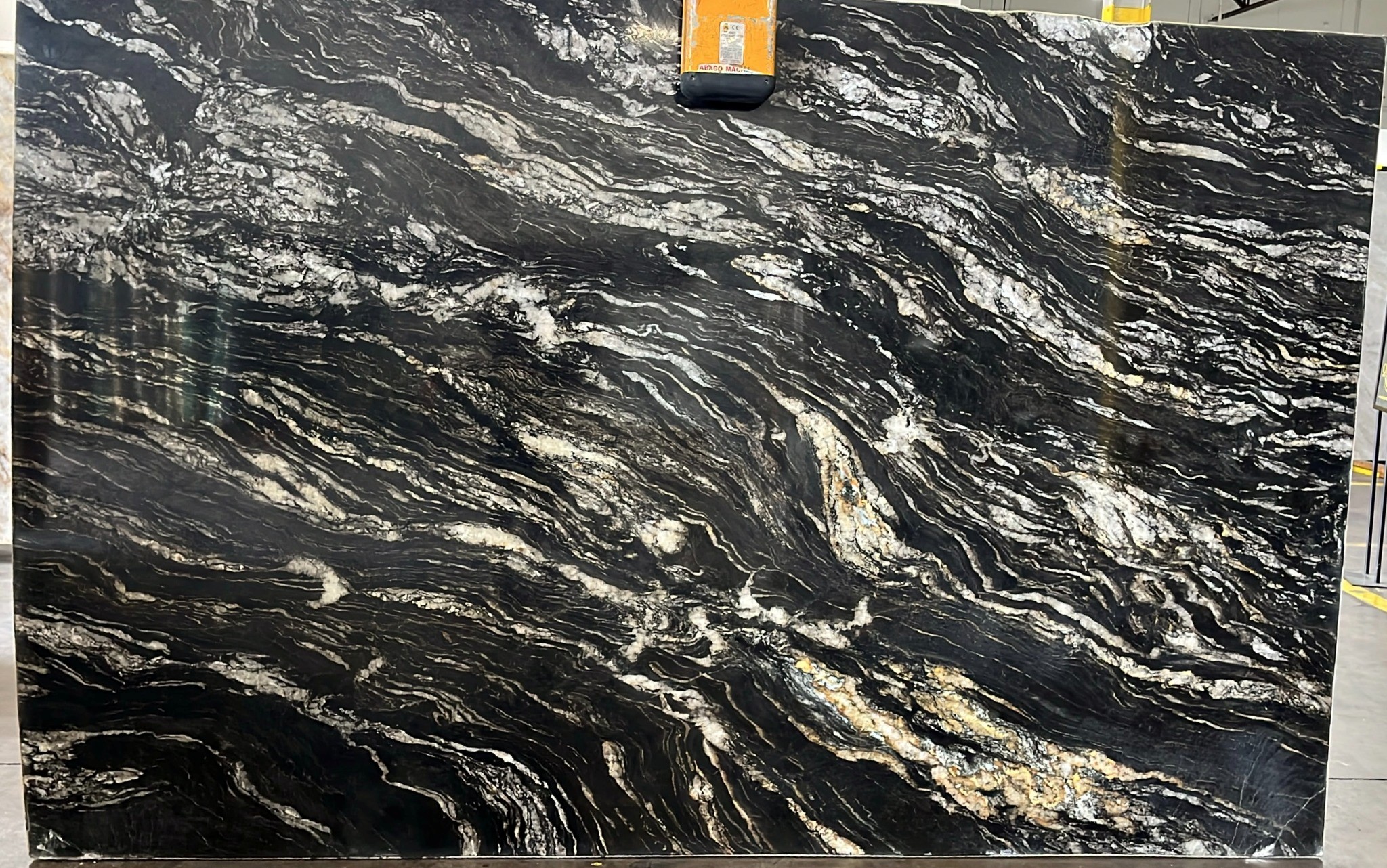
Titanium Gold Granite
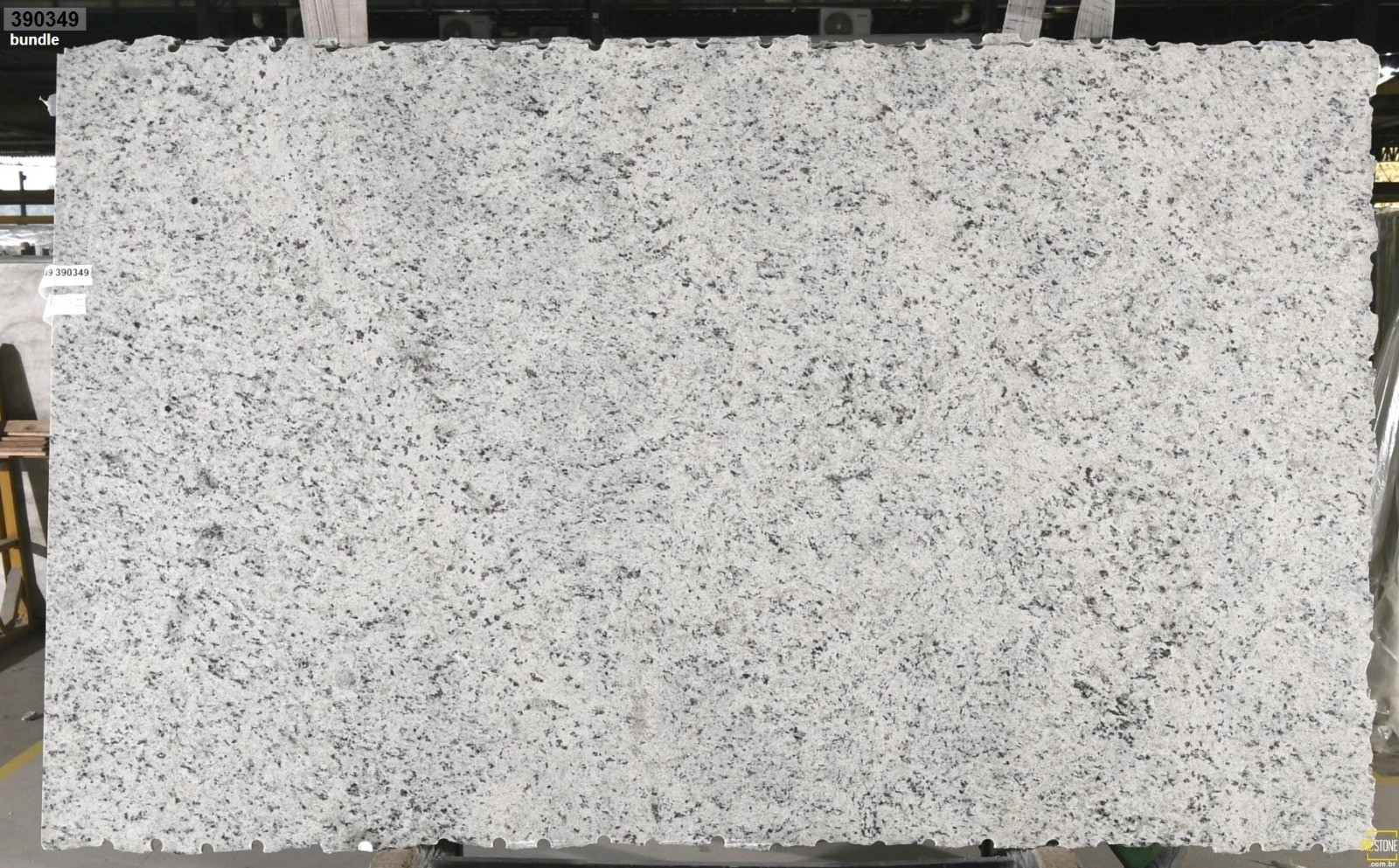
Dallas White Granite
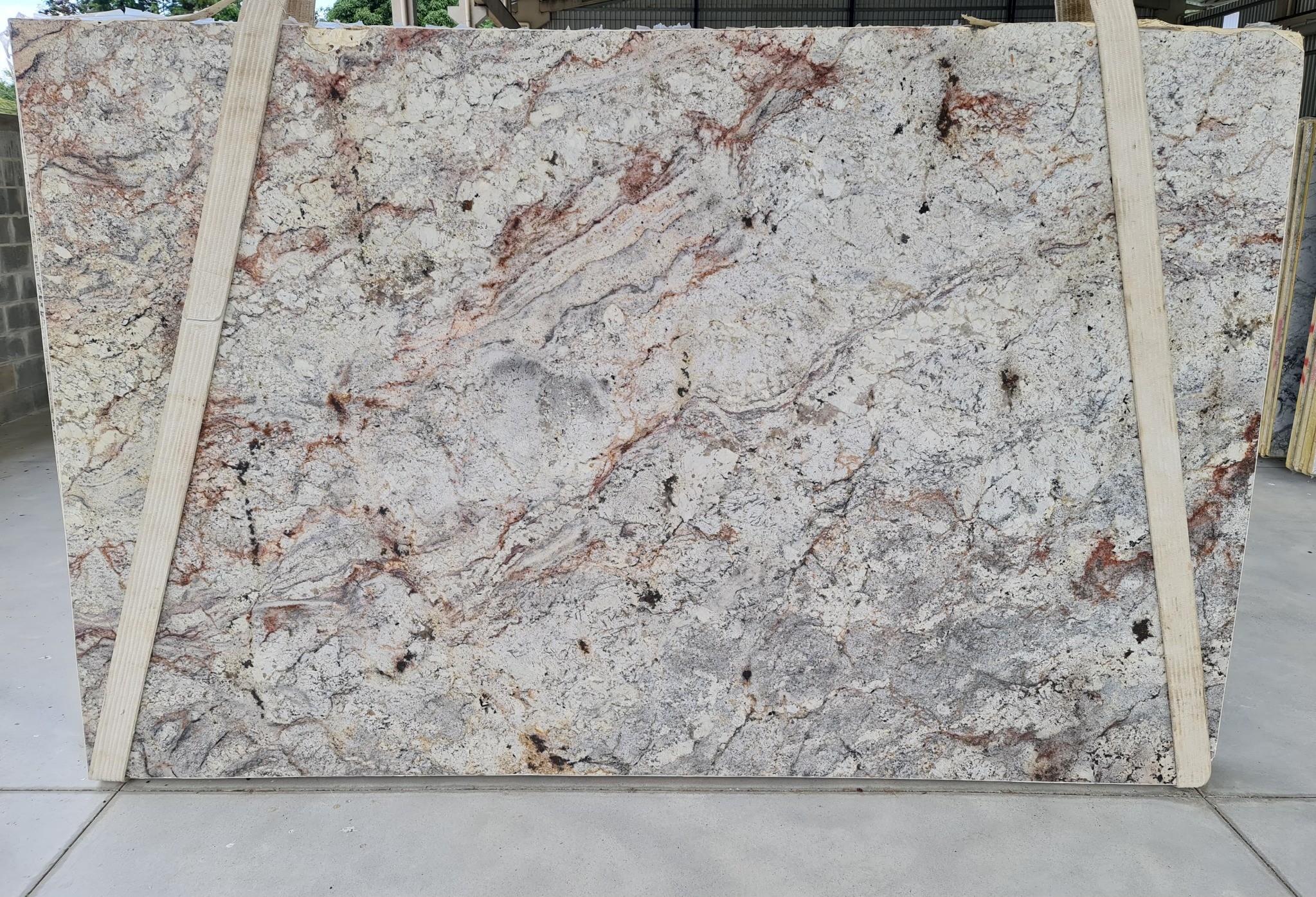
Monaco Bordeaux Granite
Marble
Formation
Marble develops when limestone or dolostone undergoes heat and pressure. Its carbonate minerals recrystallize, creating a new texture. Other minerals, fractures, and geological changes contribute to the veins and colors.
History
Marble is closely connected with ancient Greek and Roman sculpture and architecture. Sculptors used it for portraits, human figures, decorative reliefs, and monuments. Many ancient marble works were painted; the unadorned white surfaces familiar today do not always reflect their original appearance.
Its artistic importance continued through the Renaissance and later European architecture, where marble became a material for sculpture, floors, staircases, fireplaces, and elaborate interiors.
Applications
Marble is used for countertops, vanities, showers, fireplace surrounds, floors, and furniture. In kitchens, it suits buyers who understand that acids can etch the surface and that use will gradually produce patina.
Examples
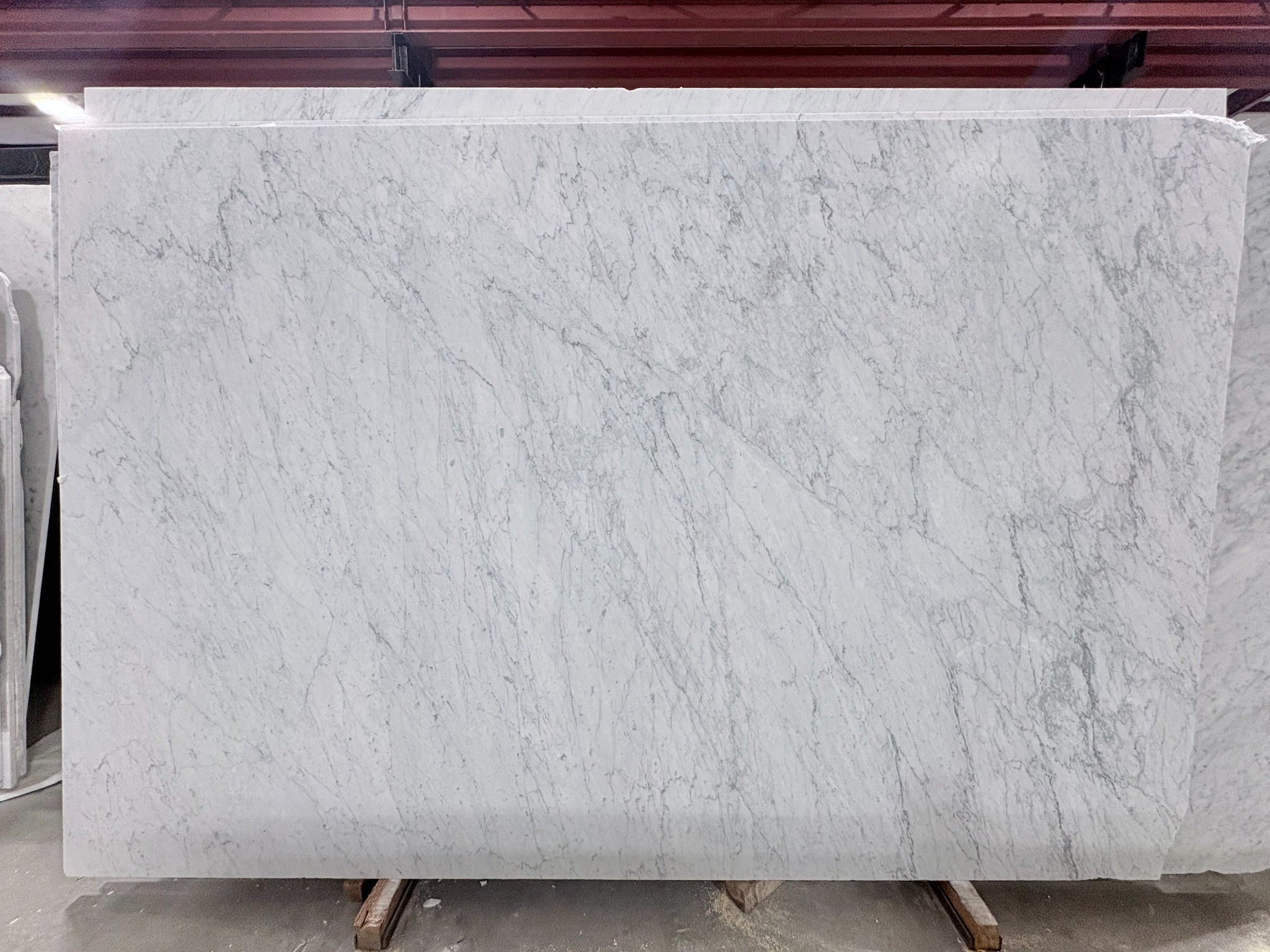
Bianco Carrara Marble
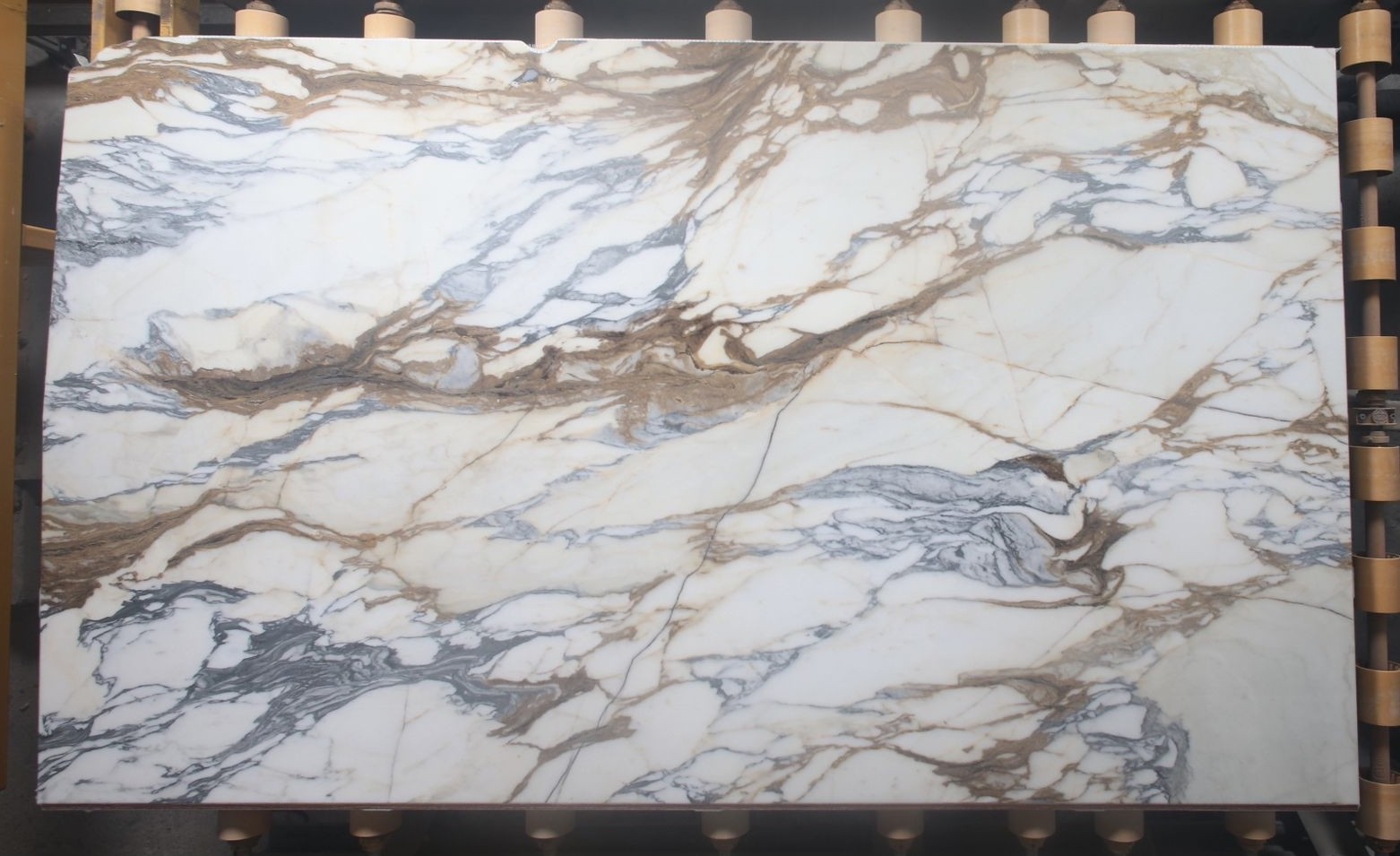
Calacatta Picasso Marble
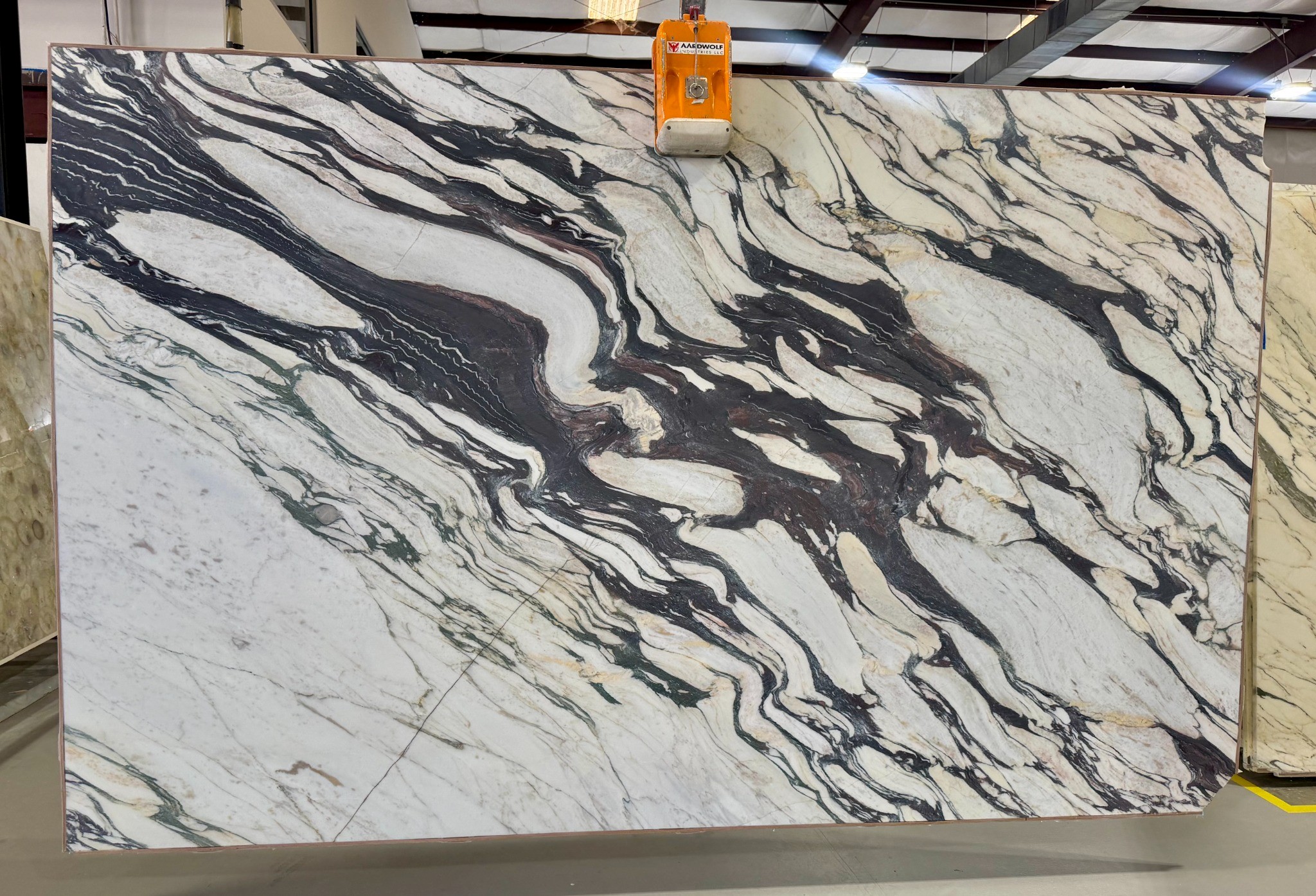
Calacatta Viola Marble
Dolomite
Formation
Dolomite is a calcium-magnesium carbonate mineral. Dolomite-rich rock commonly forms when magnesium-bearing fluids alter limestone, replacing some of its original calcite. Further metamorphism can produce dolomitic marble.
Slabs marketed as “dolomite” may therefore represent different geological materials. The trade name alone does not establish performance.
History
Dolomite-rich building stones were used before their mineral composition was understood scientifically. The name honors French geologist Déodat de Dolomieu, whose observations were published in 1791. In 1792, Nicolas Théodore de Saussure named the rock in his honor.
Dolomitic limestone and related stones have long been used in masonry, building exteriors, and carved architectural details. Their history overlaps with limestone and marble because those categories were often identified by appearance and practical use rather than modern mineral analysis.
Applications
Dolomite-rich slabs are selected for countertops, vanities, walls, and other decorative applications. Many offer marble-like movement, but buyers should still expect possible acid etching and confirm care requirements.
Examples
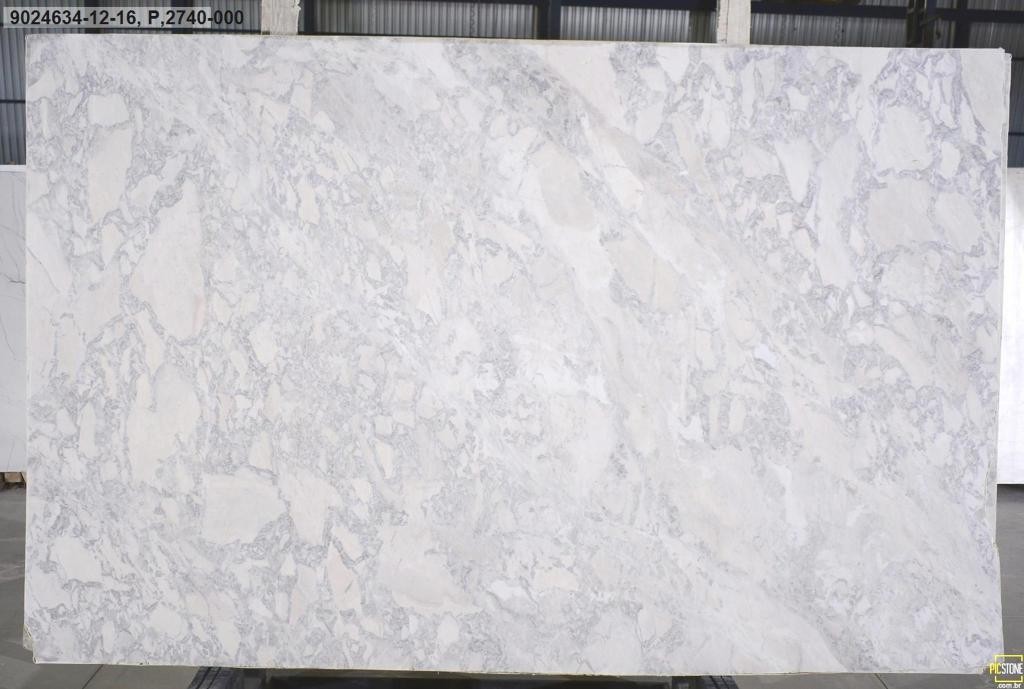
Matarazzo Dolomite
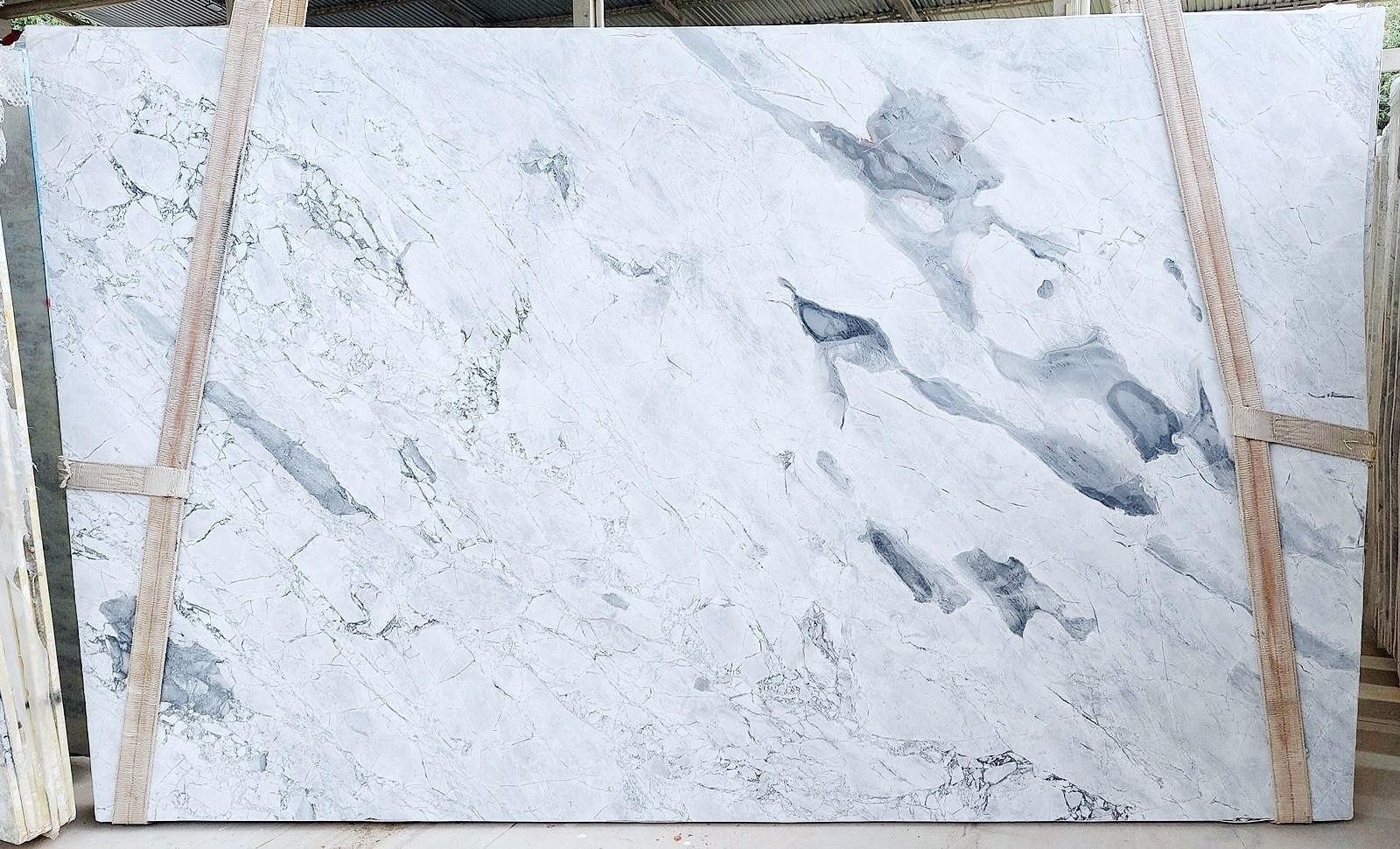
Michelangelo Dolomite
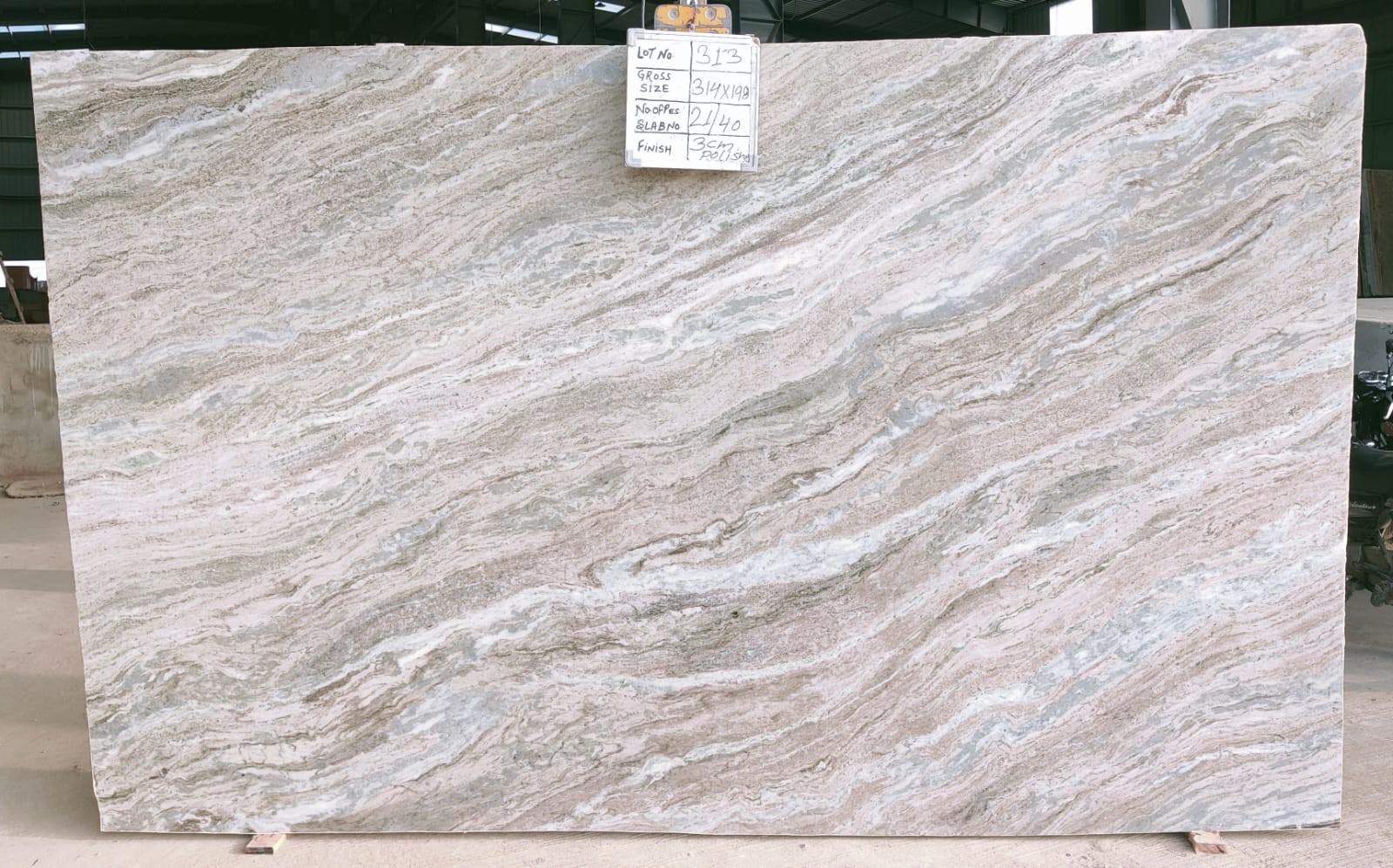
Fantasy Brown Dolomite
Quartzite
Formation
Quartzite begins as quartz-rich sandstone. During metamorphism, heat and pressure cause quartz grains to recrystallize and interlock. Additional minerals can introduce color, veining, or other movement.
History
Quartzite’s human history reaches back to early toolmaking. Surviving quartzite handaxes show that people recognized its usefulness long before large decorative slabs were possible.
It subsequently served as building stone, paving, and architectural masonry. Modern quarrying and fabrication expanded its decorative role, allowing designers to showcase broad areas of natural color and pattern in interiors.
Applications
Quartzite is used for countertops, waterfall islands, backsplashes, walls, and other applications appropriate to the specific stone. It is generally hard, but absorption and treatment requirements should be assessed separately from hardness.
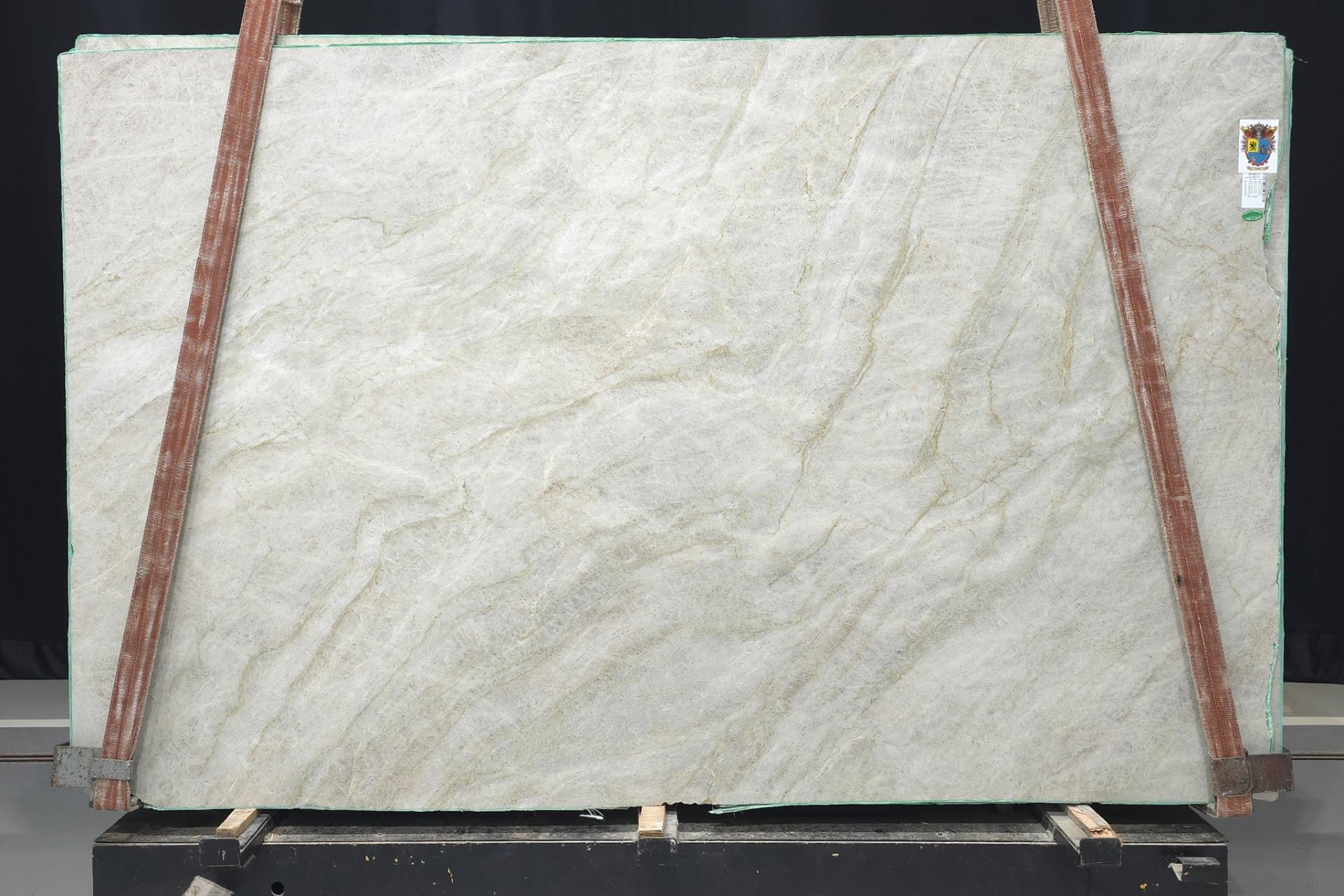
Taj Mahal Quartzite
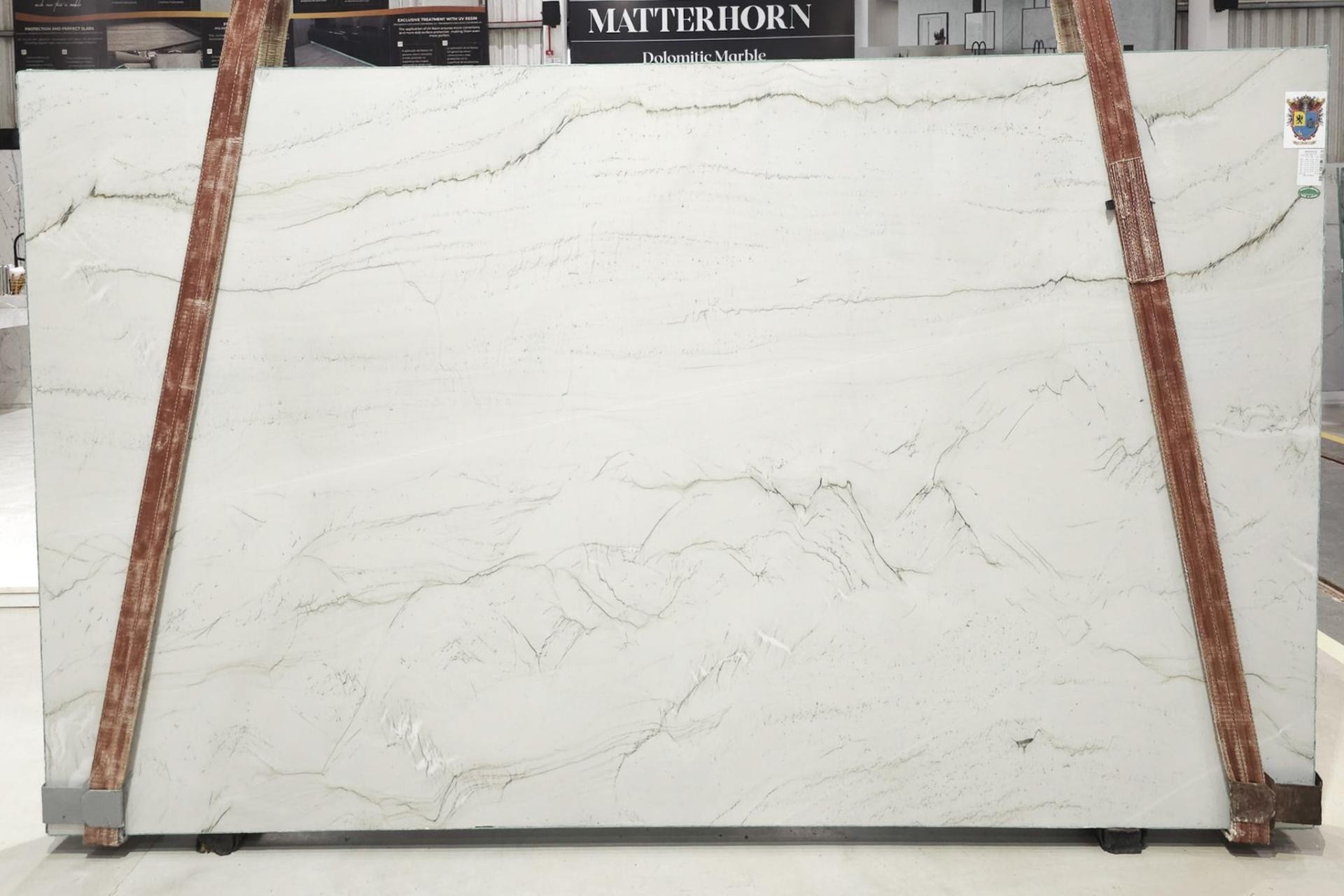
Mont Blanc Quartzite
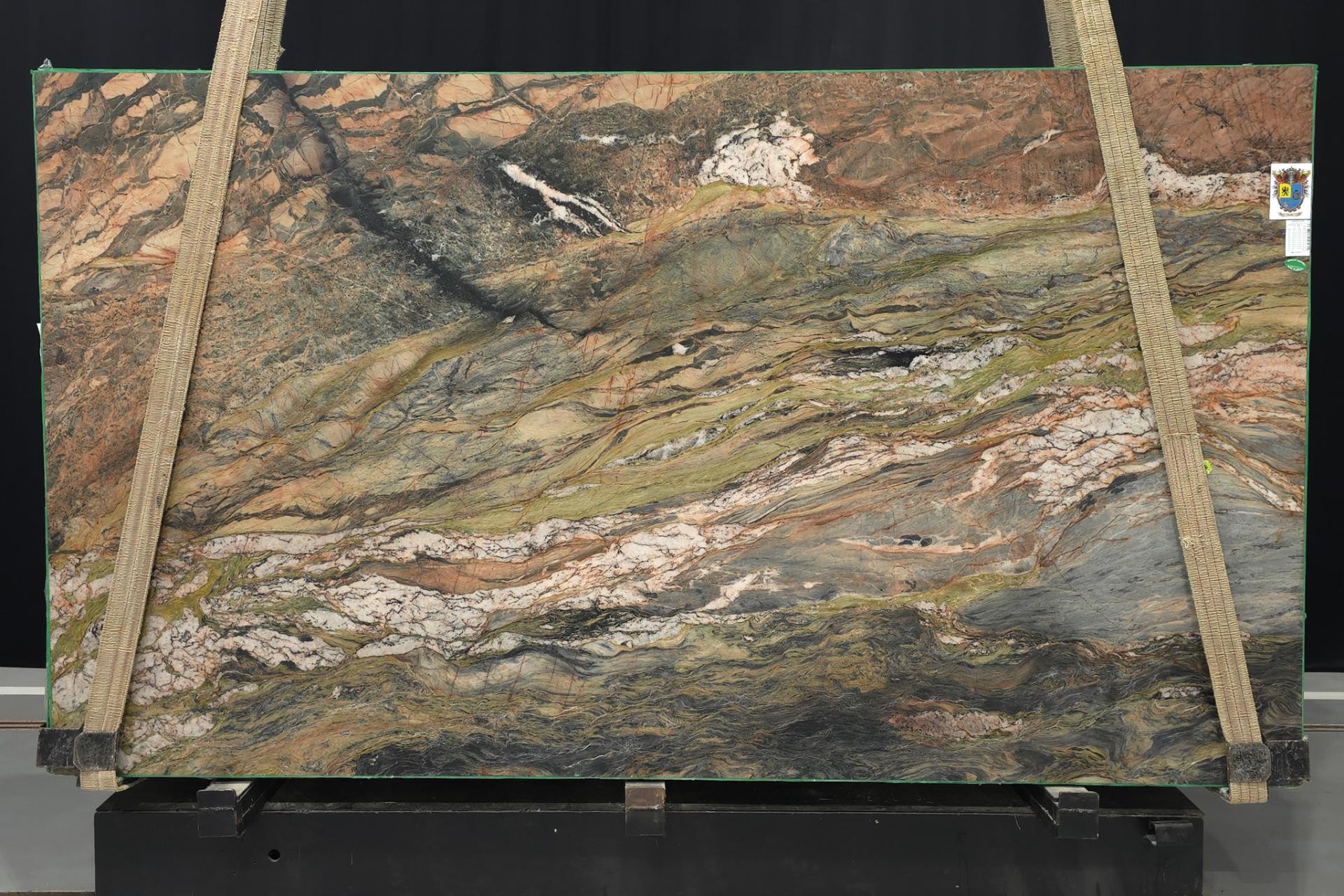
Fusion Quartzite
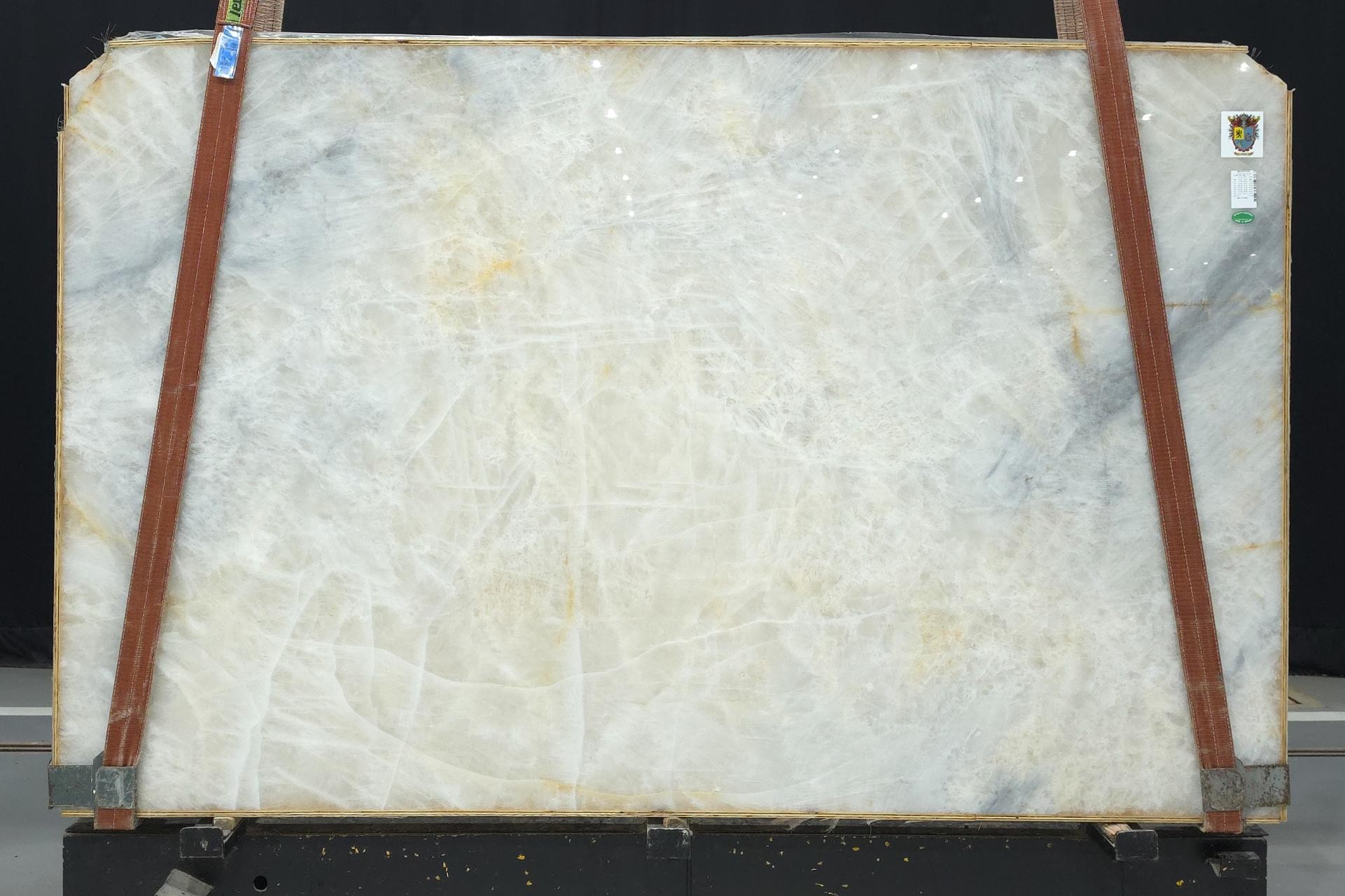
Vision Crystal Quartzite
Semi-Precious Stone
Formation & Fabrication
Semi-precious surfaces combine geological materials with modern craftsmanship. Agate develops through silica deposition, often in cavities; amethyst is purple quartz; and petrified wood forms when mineralization preserves or replaces wood’s structure.
Many decorative slabs are assembled from selected pieces or slices bonded together, often with resin and a supporting backing. They are not necessarily single pieces cut from a quarry block. Construction varies by product.
History
Long before these materials became countertops, people prized them for jewelry, carved vessels, ornaments, and decorative objects. Their appeal came from color, translucency, rarity, and the skill required to work them.
For example, The Metropolitan Museum of Art holds a nineteenth-century Chinese flask carved from rock crystal. Such objects illustrate the tradition of treating mineral material as both a functional object and a work of art.
Applications
Semi-precious slabs appear in feature islands, vanity tops, bars, furniture, and illuminated walls. Countertop suitability depends on the minerals, resin, backing, and fabrication system—not simply the hardness of the individual stones.
Examples
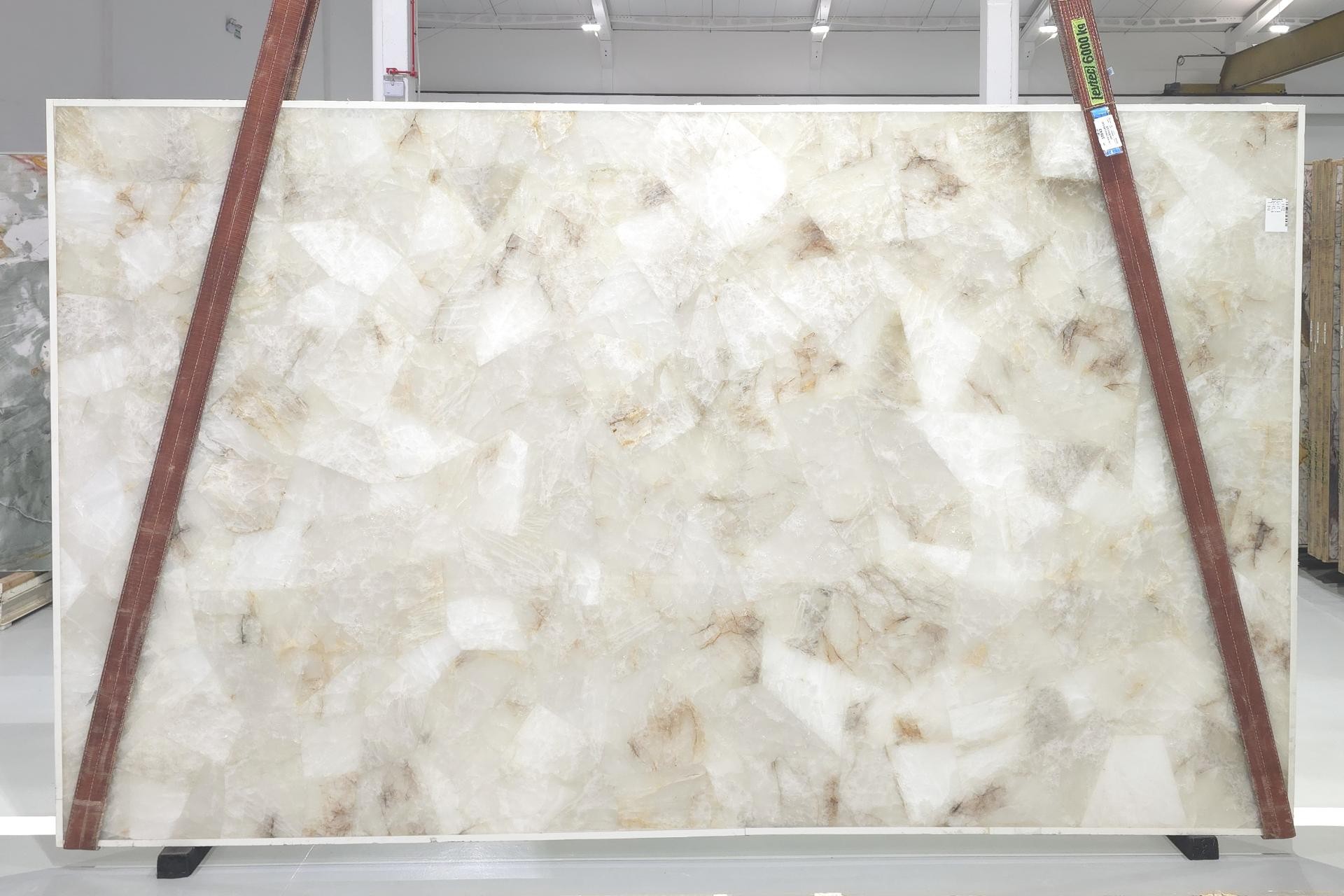
Quartzo Vitro
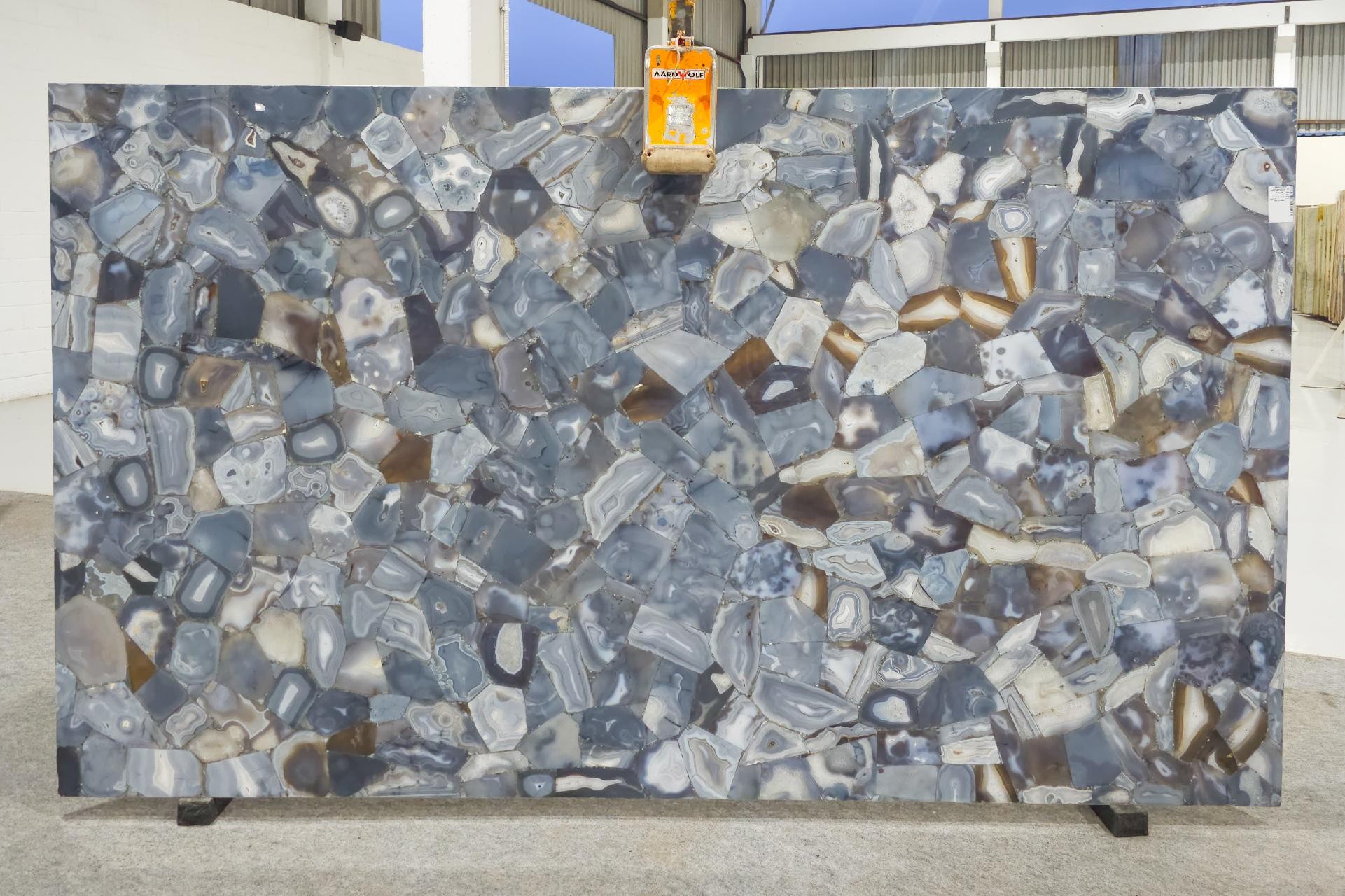
Storm Agate
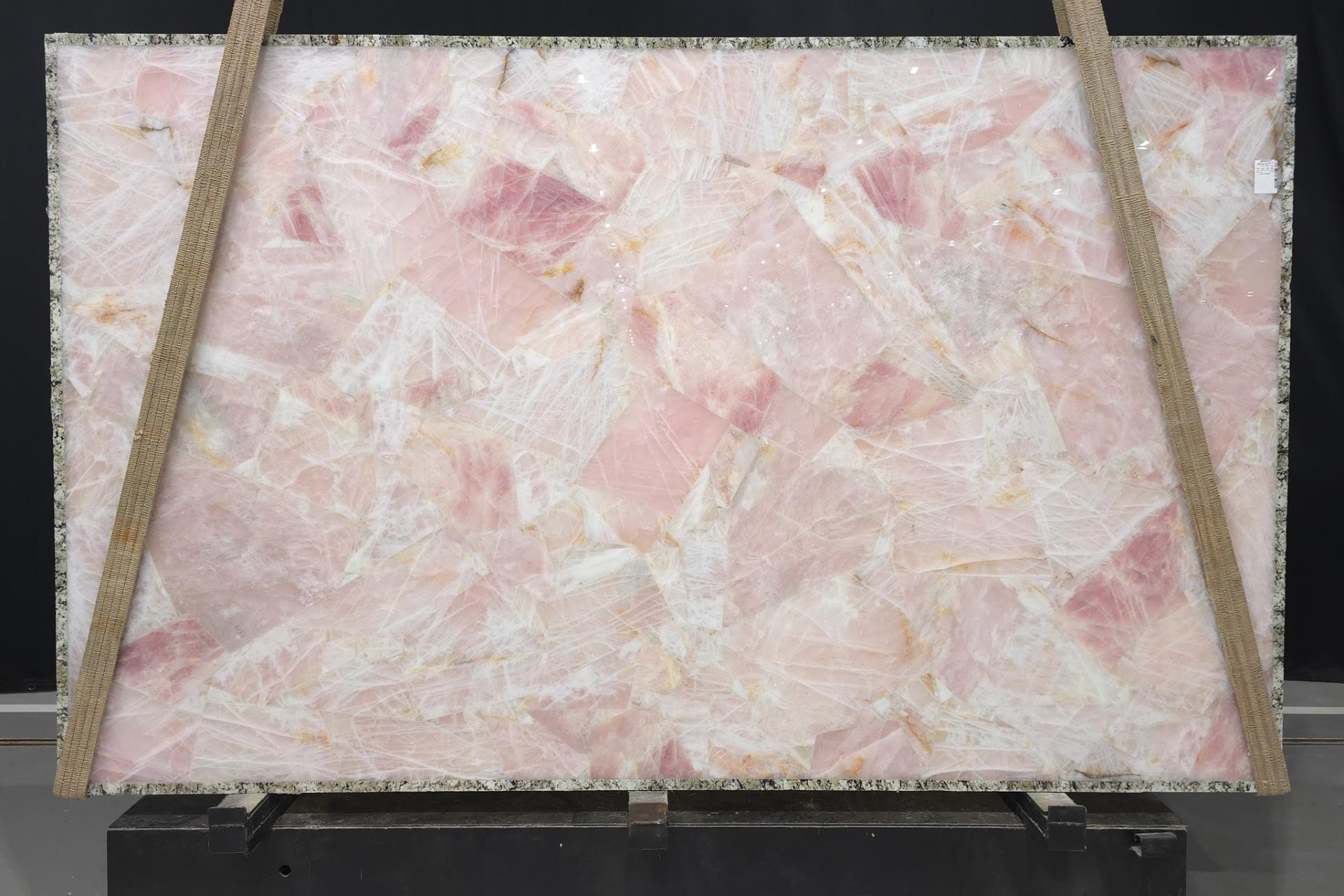
Quartzo Vitro Rosa
Soapstone
Formation
Soapstone is a talc-bearing metamorphic rock produced as heat and chemically active fluids alter suitable parent rocks. Talc gives it its characteristic soft feel. Architectural soapstone generally differs from softer carving grades in mineral composition and hardness.
History
Soapstone’s workability made it useful for cooking vessels and carved objects thousands of years ago. Archaeological soapstone bowls from Virginia date to approximately 3,000–4,000 years ago and were shaped with harder stone and bone tools.
In later American use, Virginia soapstone became a material for sinks, laundry tubs, and school laboratory countertops. These applications established a practical tradition alongside its decorative uses.
Applications
Soapstone is used for kitchen counters, sinks, vanity tops, tables, and fireplace-related applications. Its muted appearance appeals to buyers who appreciate a surface that can accumulate scratches and develop character.
Examples
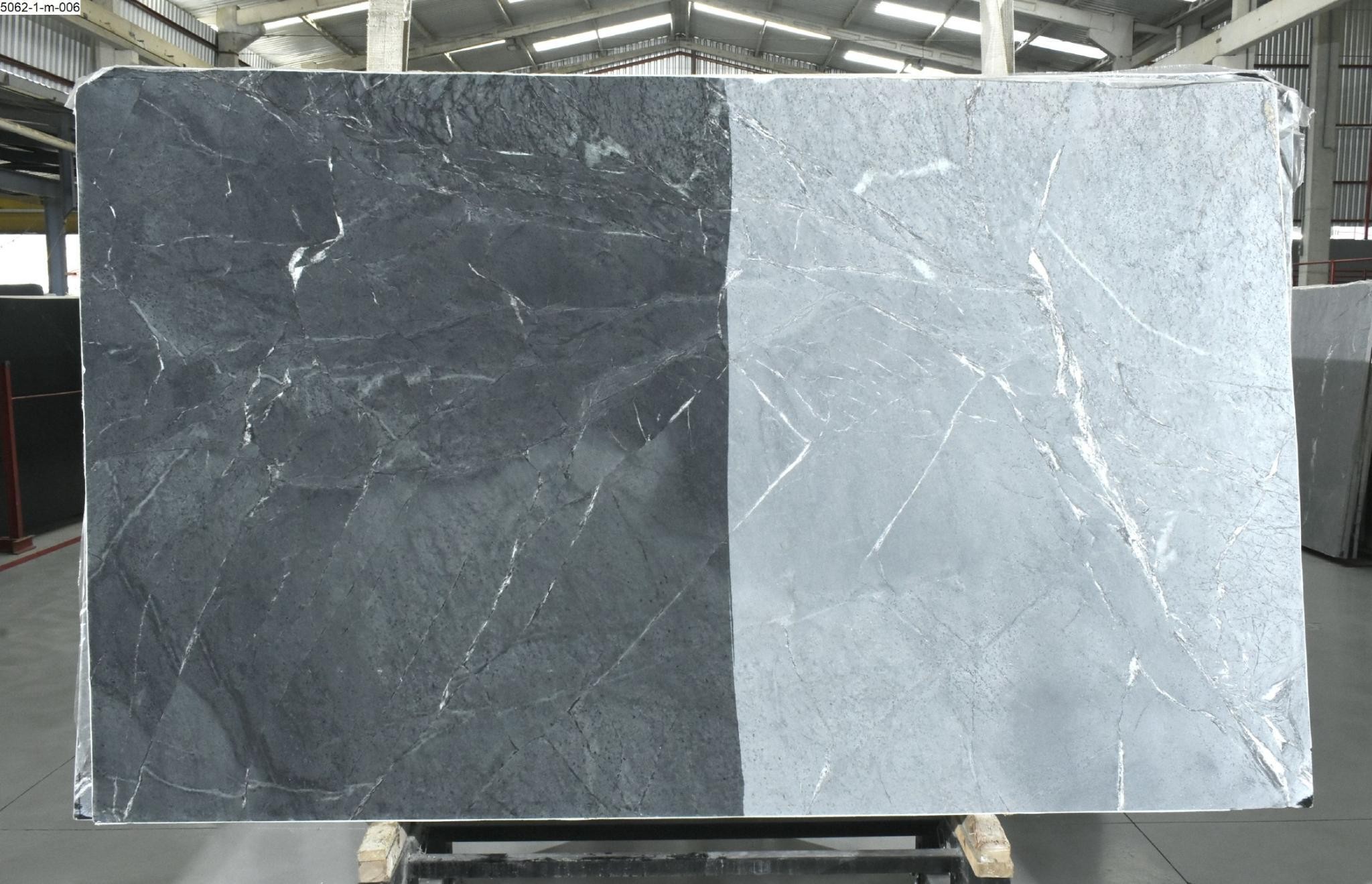
Grey Soapstone
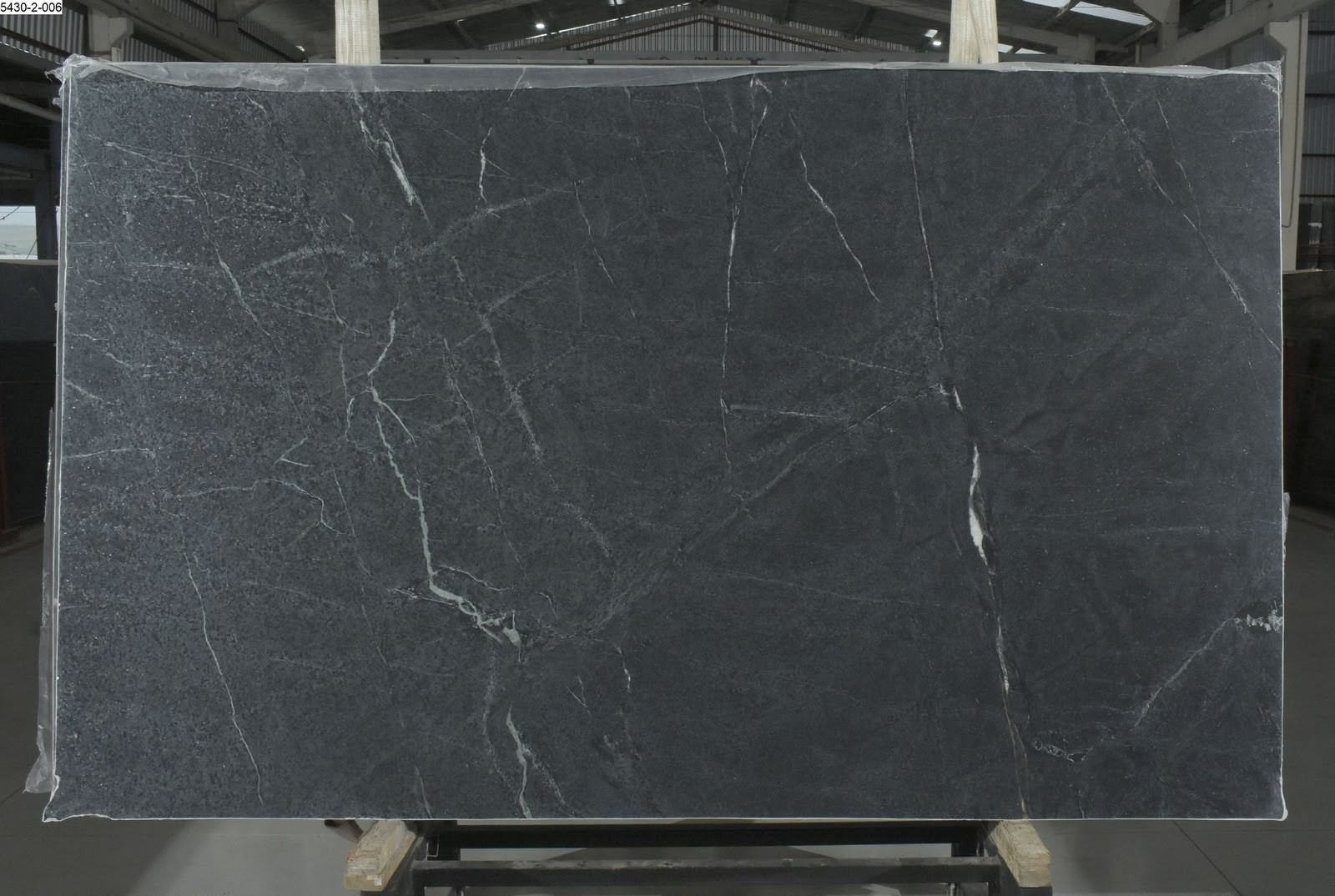
Black Soapstone
Onyx
Formation
Decorative slab onyx is generally a carbonate stone formed as mineral-rich water deposits successive layers. Those layers create bands and frequently allow light to pass through.
This material differs from gemstone onyx, which belongs to the silica-based chalcedony family.
History
Banded and translucent carbonate stones have been used for decorative objects since antiquity. Ancient Egyptian craftspeople carved related material, commonly called Egyptian alabaster, into vessels and containers for scented oils.
Historical terminology requires care: Egyptian alabaster, calcite alabaster, decorative onyx, and gemstone onyx are not interchangeable geological labels. Their histories overlap through appearance and ornamental use, rather than representing one identical material.
Applications
Decorative onyx is used for backlit walls, reception features, vanity tops, furniture, and selected bar surfaces. Its softness and acid sensitivity make it a more demanding choice for heavy kitchen use.
Examples
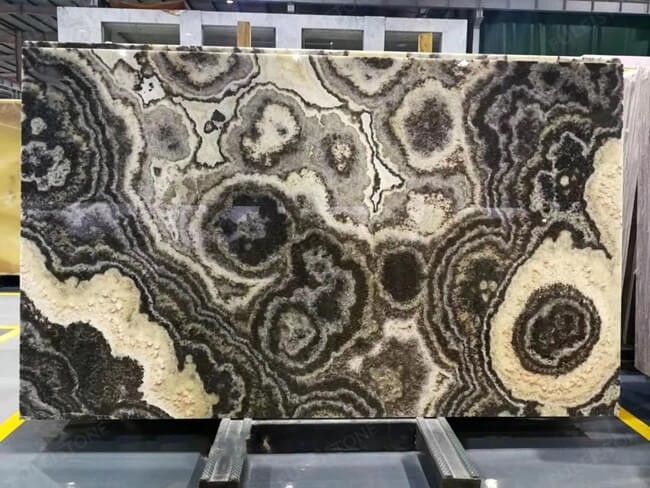
Black Onyx
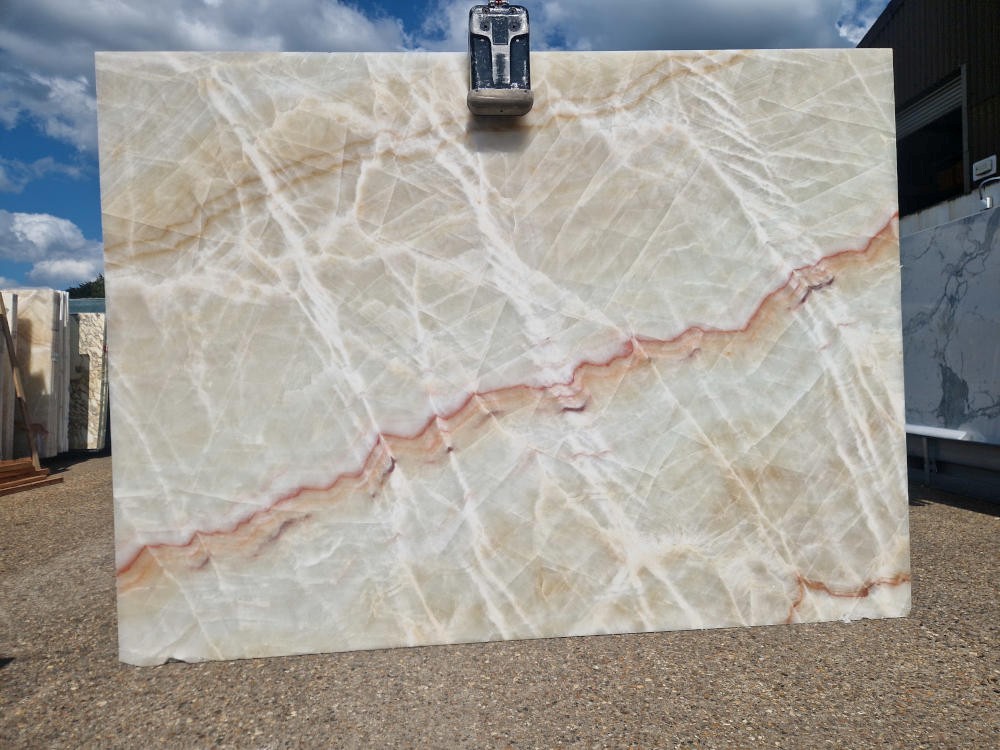
Spectral Onyx
Limestone
Formation
Limestone develops through the accumulation of calcium-carbonate sediment or its precipitation from water. Many varieties contain the remains of marine organisms, including shells and other fossils.
Over time, compaction and cementation turn those sediments into stone.
History
Limestone has been used for sculpture, masonry, and architectural ornament for thousands of years. Ancient Egyptian collections include carved limestone figures, demonstrating its role in both monumental and artistic work.
In later architecture, limestone became prominent in public buildings, churches, and institutional façades. Indiana limestone is a familiar American example, used in landmarks including the Empire State Building.
Applications
Limestone appears in floors, walls, fireplace surrounds, exterior cladding, and selected countertops or vanities. It offers a softer visual character than many heavily patterned stones, but acid sensitivity and absorption require consideration.
Examples
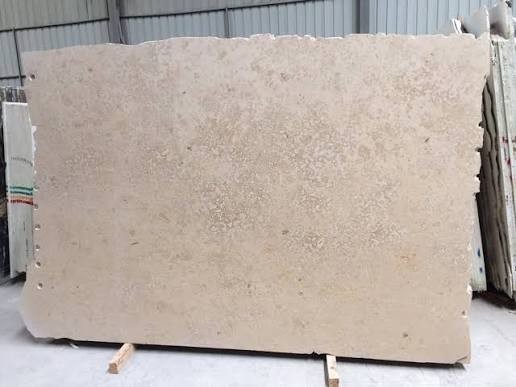
Beige Limestone
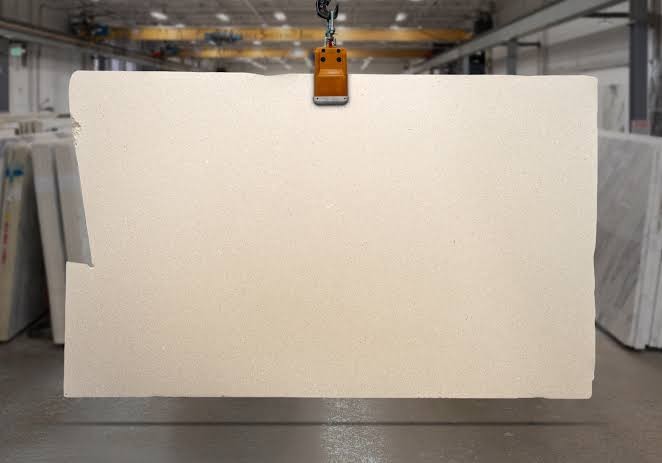
Balkan White Limestone
Travertine
Formation
Travertine is limestone deposited by mineral-rich spring water. Changes in water chemistry cause calcium carbonate to accumulate in layers. Its pores and cavities are part of that formation process.
Cutting direction changes its appearance: vein-cut material emphasizes bands, while cross-cut material tends to show more cloudlike variation.
History
Travertine is closely associated with Roman construction and the deposits around Tivoli. The Colosseum complex preserves travertine among its ancient structural materials, and original travertine paving remains around the monument.
Its connection with Italy continued through later architecture. Geologically, it also offers a remarkable contrast with many other building stones: travertine can still be seen forming at active mineral springs today.
Applications
Travertine is used for flooring, walls, patios, furniture, vanities, and selected countertops. For a working countertop, filling, finish, sealing, and acid sensitivity all matter.
Examples
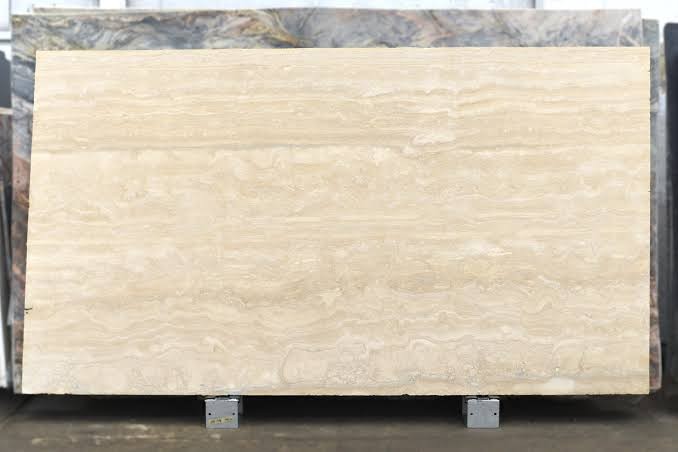
Navona Travertine
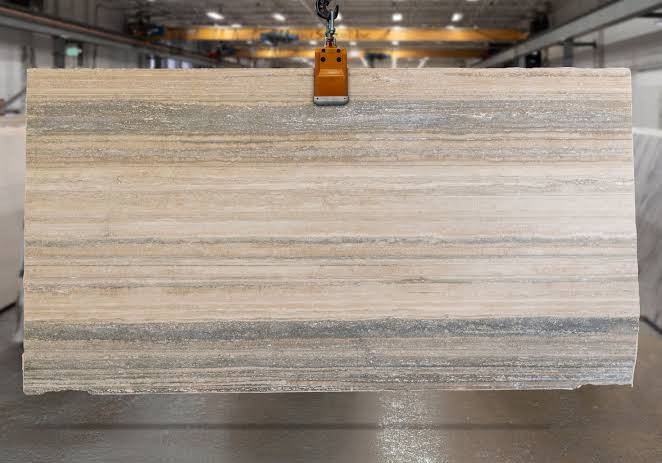
Silver Travertine
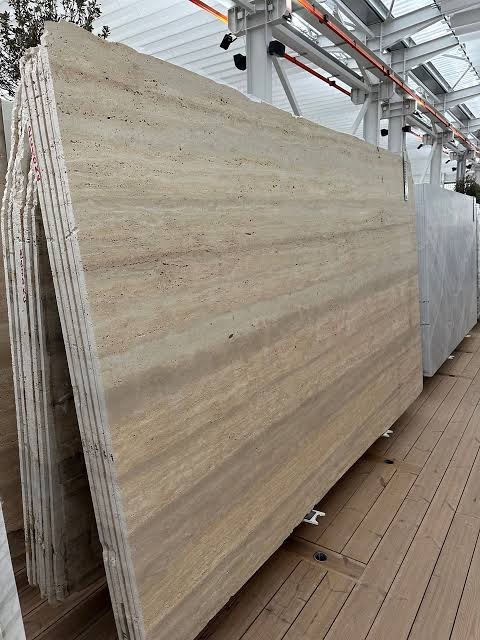
Travertine
Quartz (Engineered)
Fabrication
Traditional engineered quartz combines quartz particles with resin binders and pigments. The mixture is compacted, cured, and finished into slabs. Unlike quartzite, it is manufactured rather than quarried as a complete slab.
Modern engineered-surface formulations increasingly vary, with some incorporating other minerals or recycled glass. A brand’s entire range should not be assumed to have one composition.
History
Engineered quartz developed from twentieth-century efforts to manufacture consistent stone-based surfaces. Breton’s work in Italy was a major part of this development; its first BretonStone plant for small quartz-resin slabs was introduced in 1982.
As production expanded, engineered quartz moved into residential kitchens, bathrooms, and commercial interiors. Cambria’s entry into slab manufacturing in 2000 is one example of the category’s subsequent growth in the United States.
Applications
Applications include countertops, islands, backsplashes, vanity tops, and commercial surfaces. Product-specific guidance governs heat exposure, sunlight, and installation.
Examples
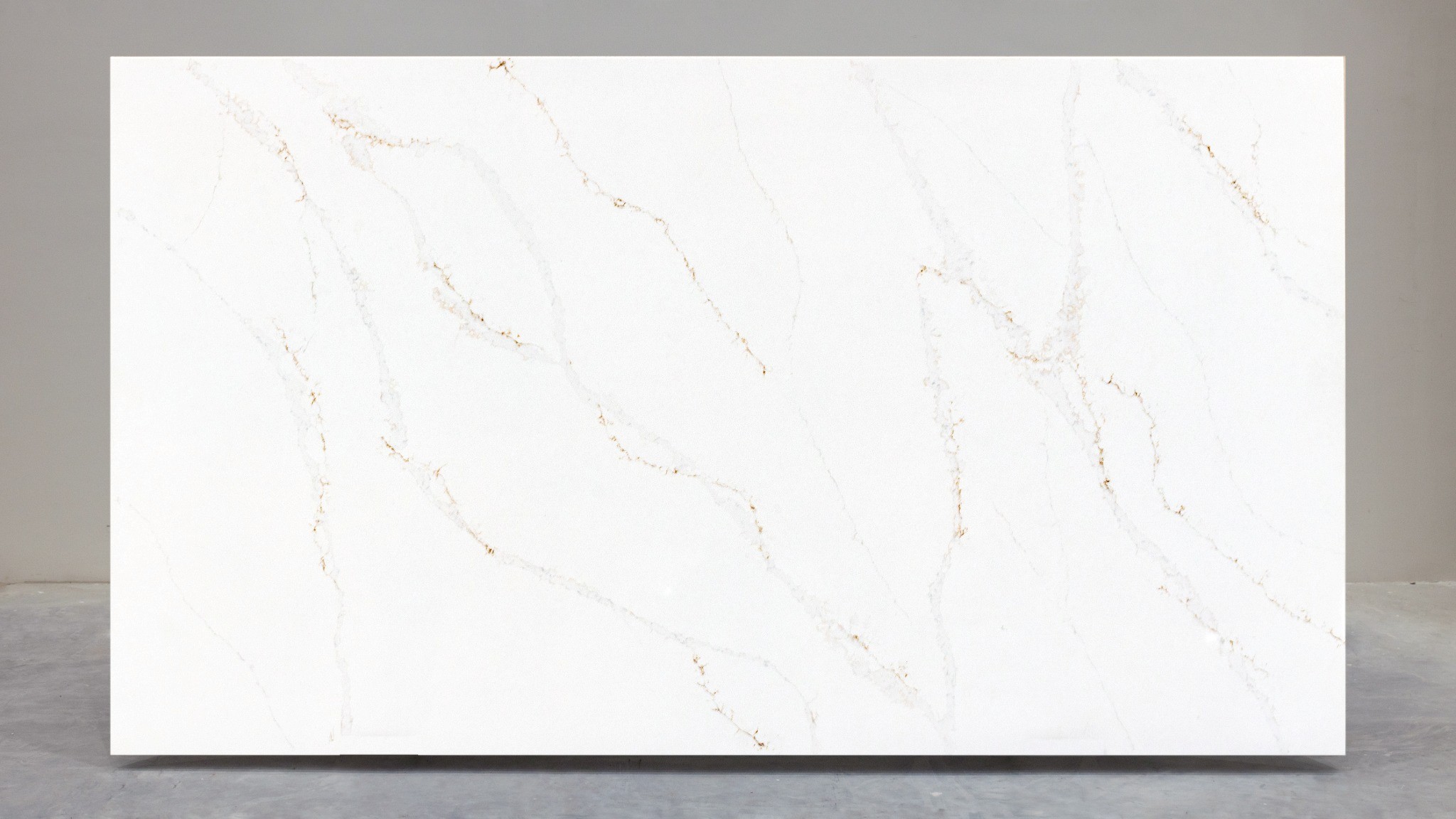
Calacatta Versa Quartz
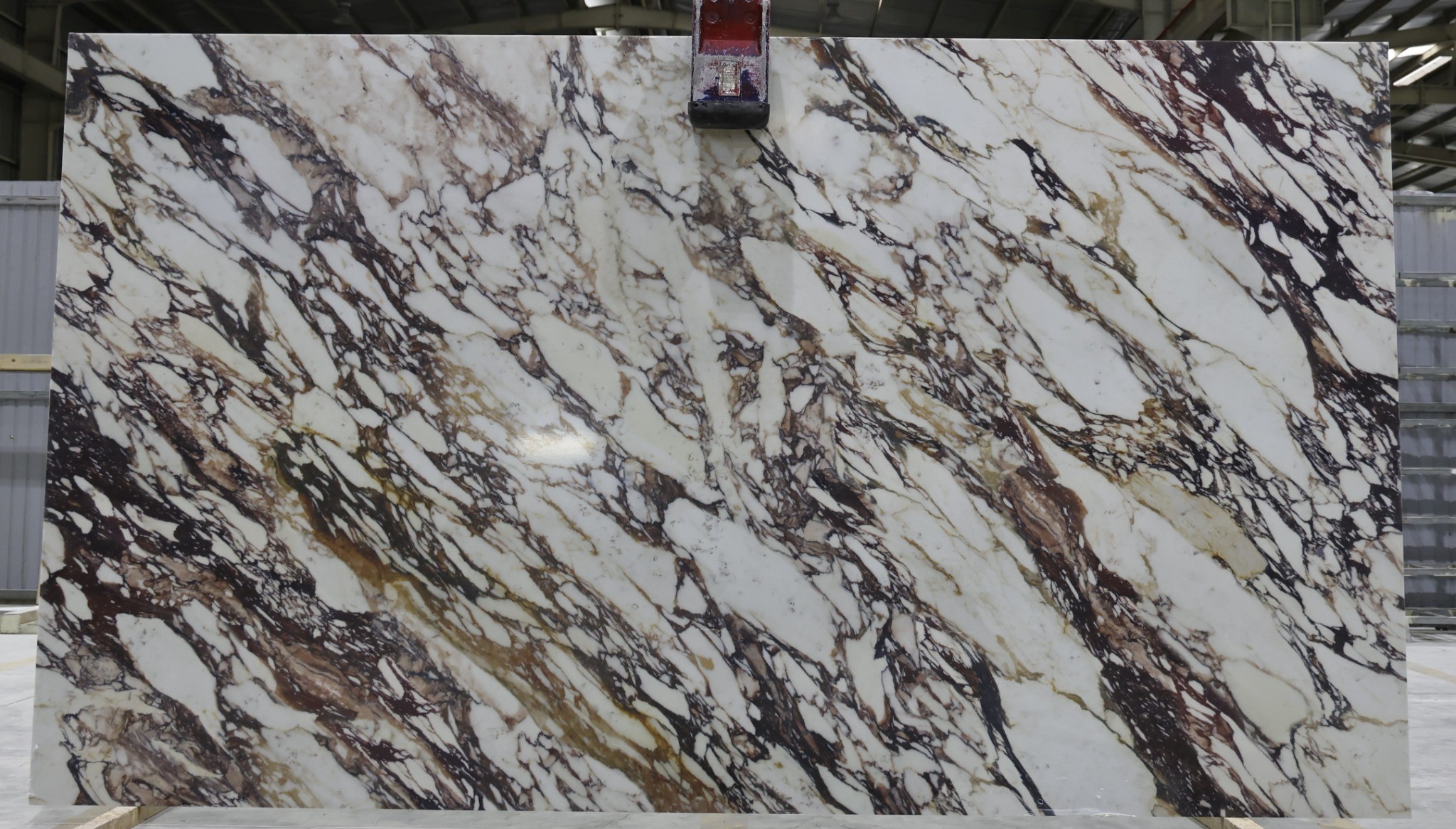
Calacatta Viola Quartz
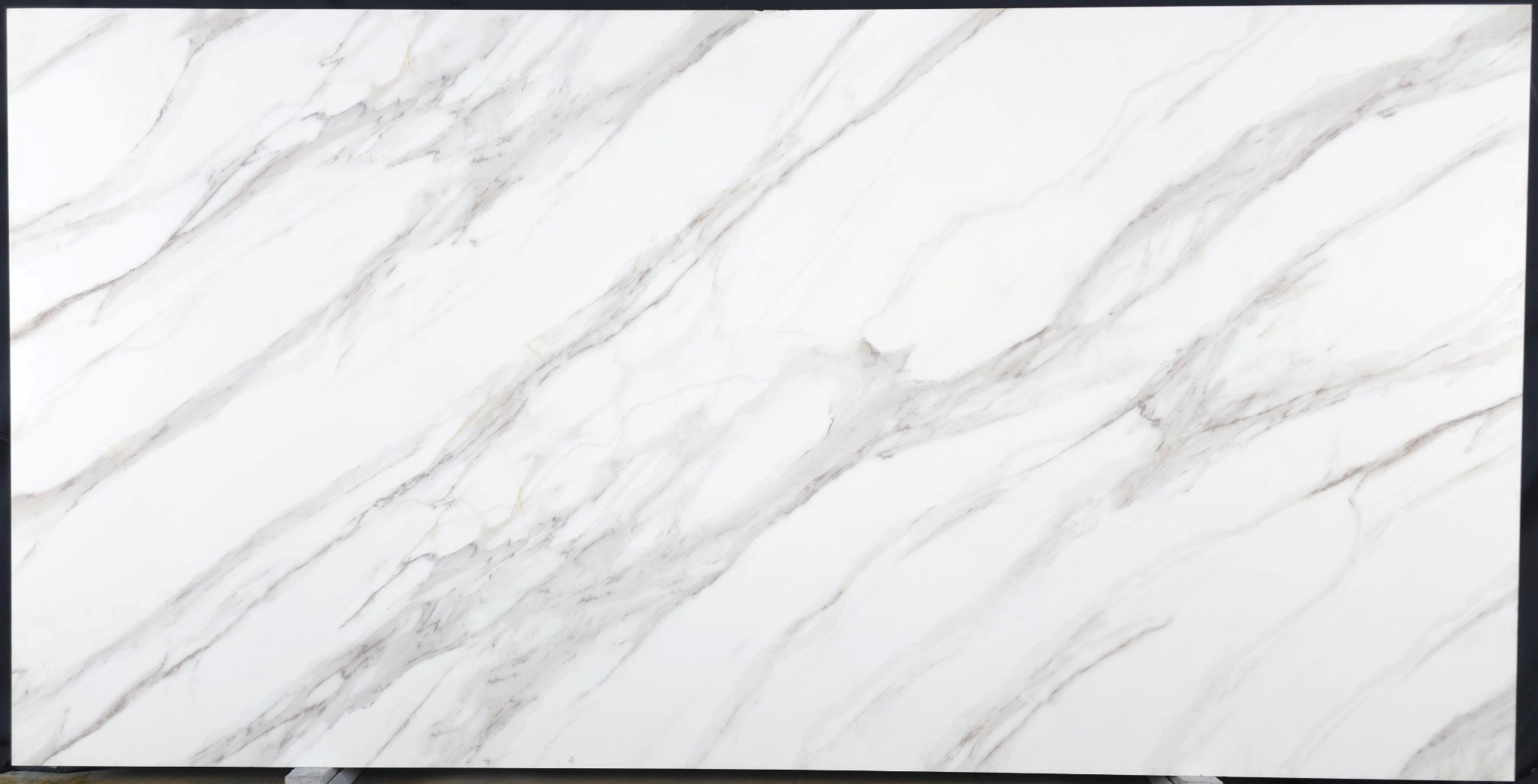
Calacatta Italy Quartz
Porcelain & Sintered Stone (Engineered)
Fabrication
Sintered surfaces are manufactured from selected mineral raw materials that are formed, compacted, and exposed to high temperatures. The heat bonds and transforms the particles into a dense slab.
Porcelain and sintered stone share aspects of ceramic processing, but their names should not be treated as exact synonyms. Formulations, production methods, decoration, and through-body characteristics differ among products.
History
The broader ceramic tradition reaches back to ancient manufacturing, with porcelain developing in China and becoming an important material for vessels, decorative objects, and international trade.
Large-format sintered architectural surfaces are a much more recent development. Neolith traces its beginnings to 2009, while Cosentino launched Dekton in 2013. These products helped extend mineral-based manufactured surfaces into large countertop slabs, façades, and other demanding architectural applications.
Applications
Depending on the product, applications include kitchen counters, outdoor kitchens, showers, flooring, and exterior cladding. Slab thickness, edge construction, support, and fabrication expertise are important parts of selection.
Examples
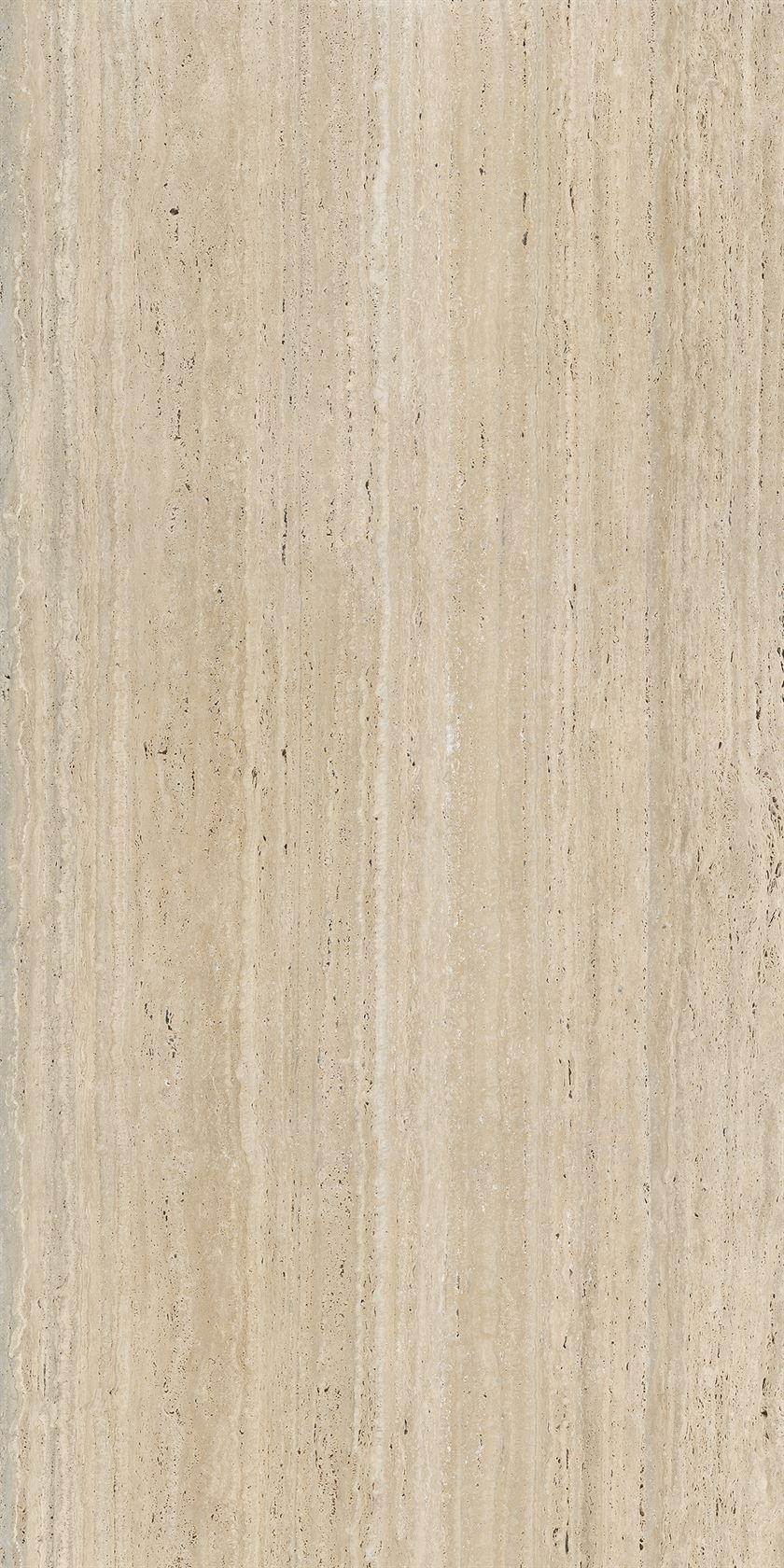
Travertine Porcelain

Nero Marquina Porcelain
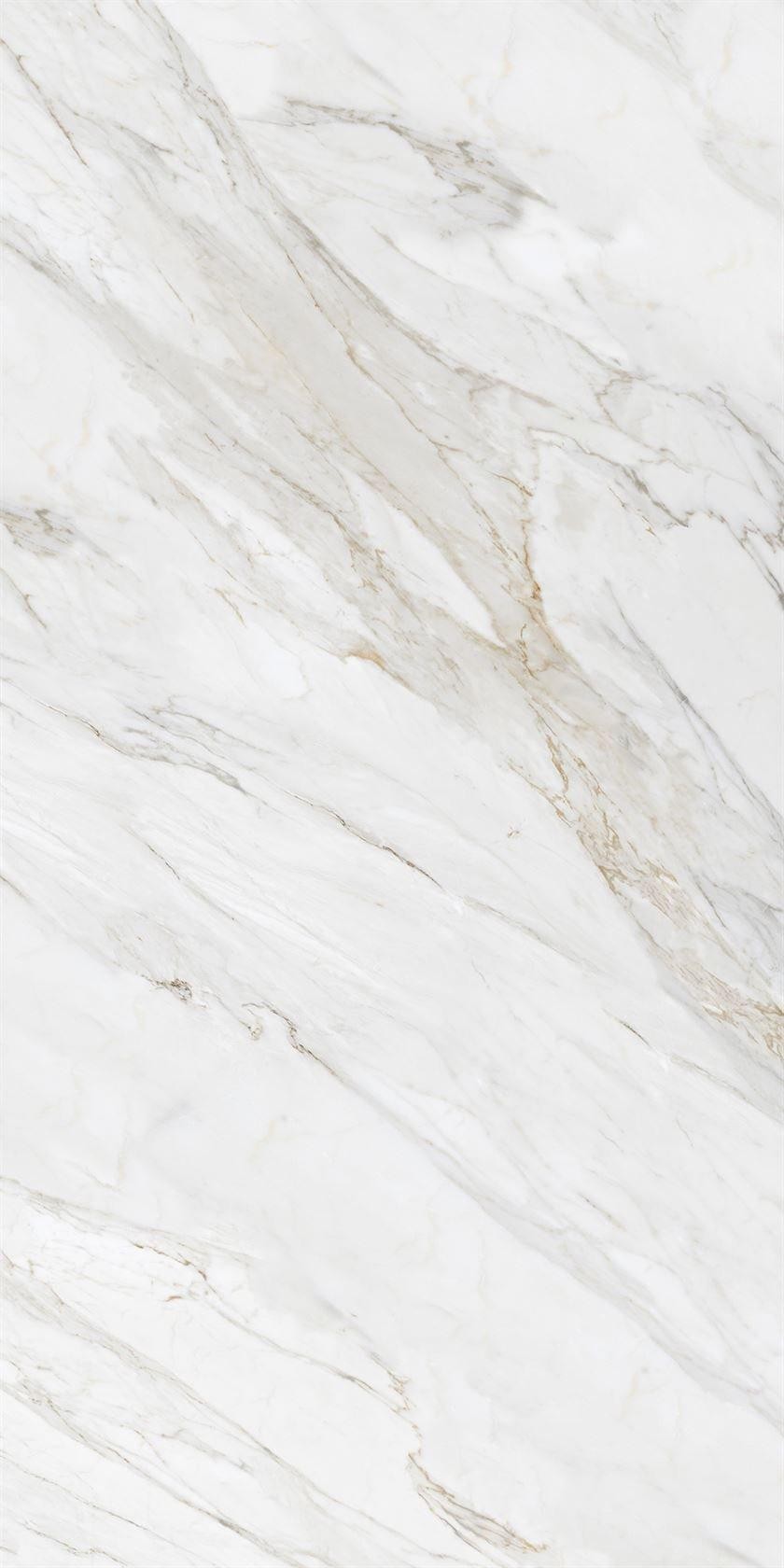
Calacatta Borghini Porcelain
Terrazzo (Engineered)
Fabrication
Terrazzo combines chips of marble, glass, or other aggregates with a cementitious or resin-based binder. After curing, the surface is ground and finished to expose the embedded pieces.
It can be installed in place or manufactured as tiles, panels, and slabs. These formats are not interchangeable for every application.
History
The Venetian tradition behind modern terrazzo dates back more than 500 years. Workers reused marble remnants to create decorative floors, turning leftover material into a practical surface.
Terrazzo later spread into public and commercial architecture. Improvements in binders, installation systems, and finishing expanded its design possibilities, helping it become familiar in schools, civic buildings, and other large interiors.
Applications
Terrazzo is used for floors, stairs, walls, furniture, vanity tops, and countertops. Countertop performance depends on both the aggregate and binder; marble chips, for example, can remain acid-sensitive within a composite surface.
Examples
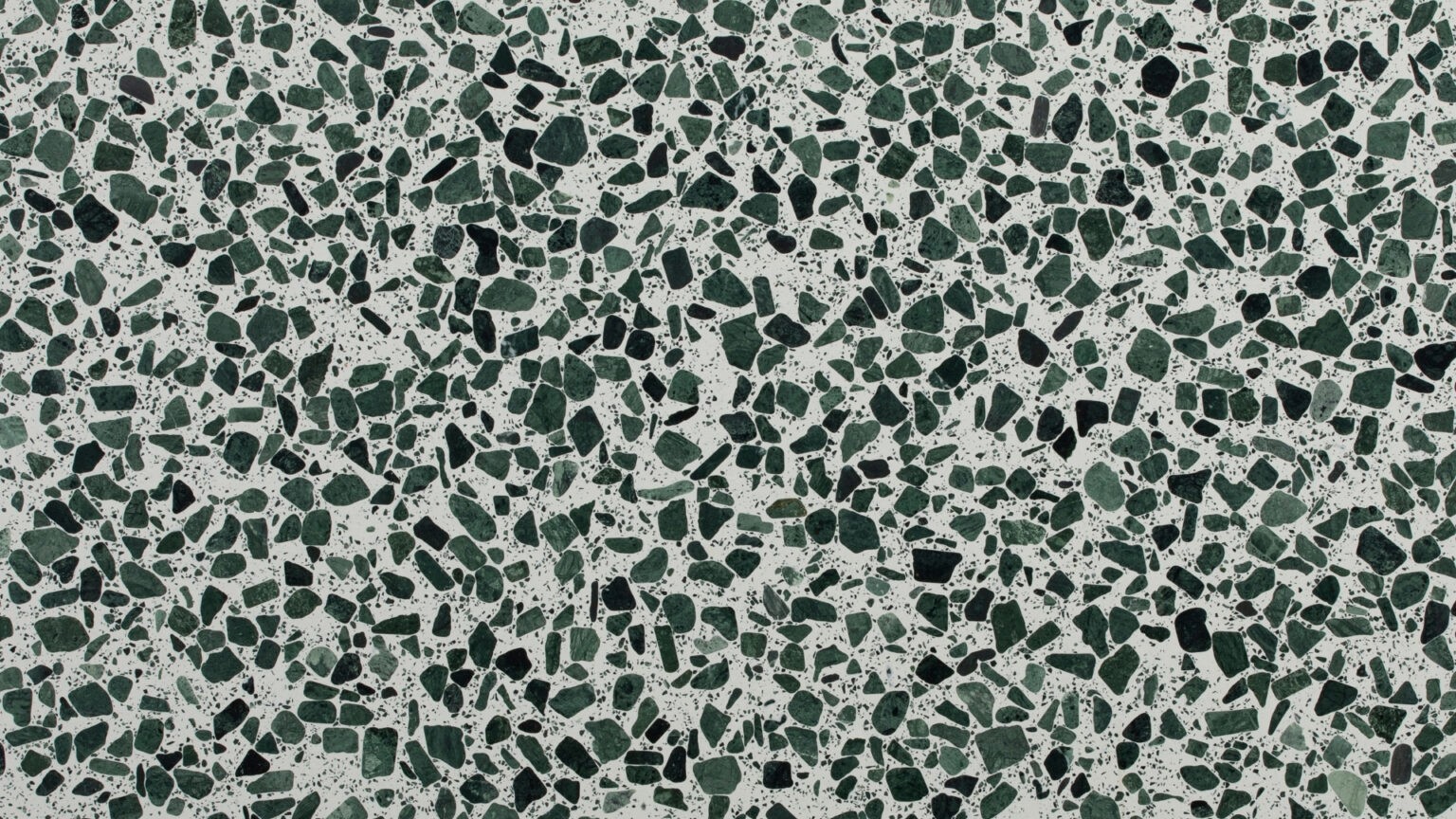
Green Exotica Terrazzo
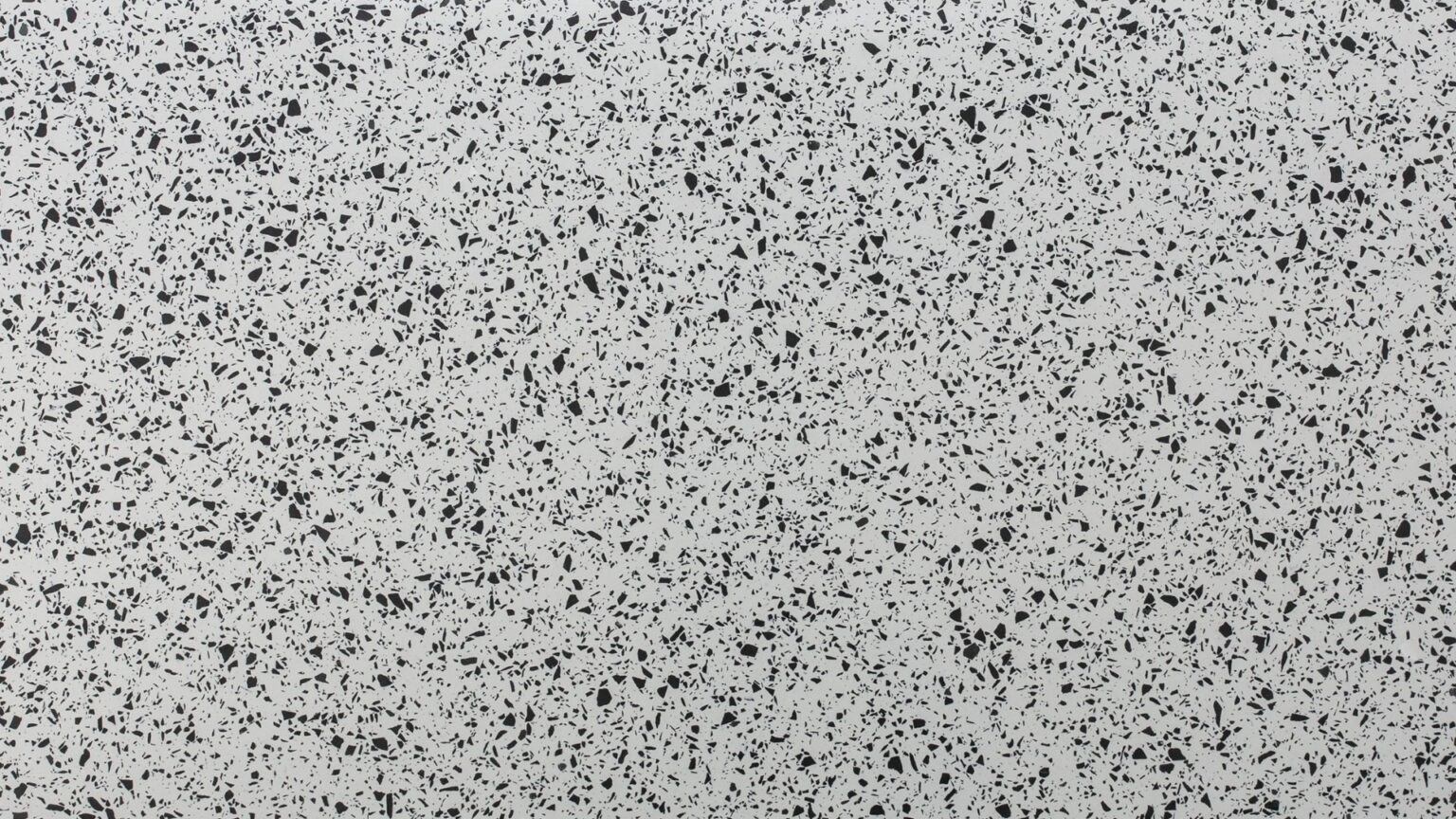
Calculus Terrazzo
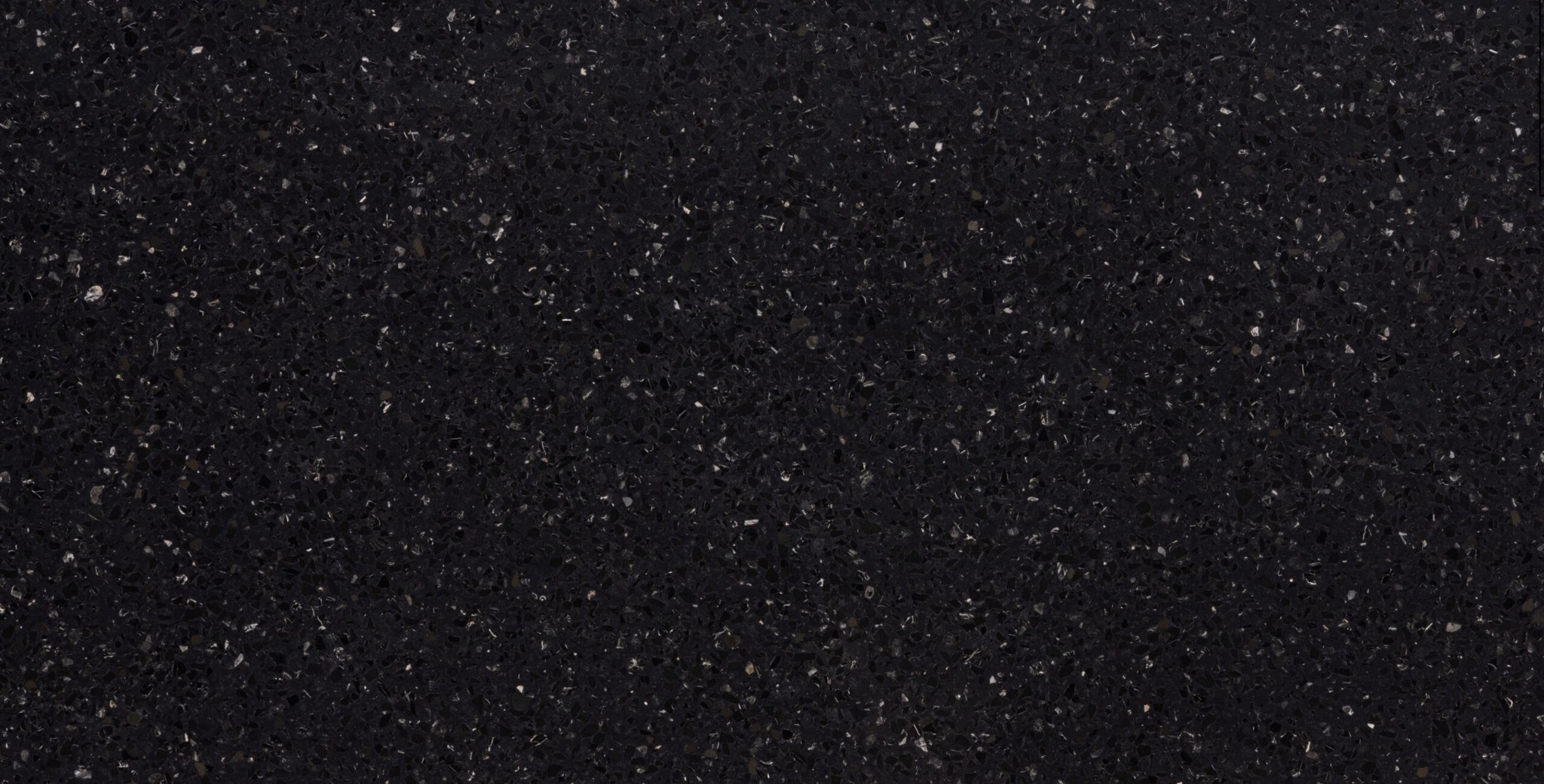
Americano Terrazzo
Choosing a Surface With Confidence
A material’s history explains its appeal, but the specific slab or product determines how it will work in your home. Consider the appearance, intended application, maintenance, fabrication requirements, and complete installed cost together.
At Omega Natural Stone, bring your cabinet samples, inspiration images, and project plans to explore available selections and discuss the surface that best suits your space.
Omega Natural Stone — The Stone Boutique
A superior surface for every space.